


The Musicians Club Presents
The Woodwind Club
The reed. The breath. The voice you've been searching for.
Flutes, clarinets, oboes, bassoons, and saxophones — the instruments, the reeds, the mouthpieces, the ligatures, the cases, and the people who built them. Curated for serious players. Built to feel inevitable.
Scroll
Free Worldwide Shipping
Vendor-Direct Sourcing
14-Day Returns
Musician Concierge
100+
Woodwind Brands
5,000+
Woodwind Products
$32K
Top Flagship
50+
Countries Shipped
Manifesto
A reed is a piece of grass. A mouthpiece is a sliver of rubber. The miracle is that you can sing through them.
Woodwind is the family of instruments where the player and the instrument finish each other's sentences. The reed responds to your weather, your morning, your mood. The mouthpiece either hides or reveals you. Two clarinetists with identical instruments will sound nothing alike — and that is the point.
The result is a tradition that runs from Mozart's last concerto to Coltrane's last solo, from the baroque oboe d'amore to the modern bass flute, from the bedroom student picking up an alto for the first time to the Conservatoire principal who has been refining one note for forty years.
We carry the makers who take this seriously. Vandoren in Paris, cutting cane the same way since 1905. Marigaux, hand-bored oboes for the Opéra Garnier. Di Zhao in Boston, where the head technician left Powell to start his own bench. Fox in South Whitley, Indiana, where the bassoons of half the world's orchestras are made by hand. We carry their student lines and their flagships. We carry the tools they recommend. We sell what works.
Three Centuries of Air
From the Baroque Chalumeau to the Modern Mark VI
The woodwind family is the orchestra's oldest section. The transverse flute traces to Theobald Boehm's 1832 system, but the players who used it learned from teachers whose teachers learned from Frederick the Great's Berlin court, where the king himself played flute beside Quantz. The clarinet emerged from Denner's Nuremberg workshop around 1700; the modern Boehm-system clarinet was engineered in Paris in 1843. The oboe is older still — its conservatoire form locked in by Triébert in the 1850s, the same workshop whose tradition Marigaux carries forward in Paris today.
The saxophone is the youngest member, patented by Adolphe Sax in Paris in 1846. It was designed for the military band, found its home in jazz, and now plays everything from Glazunov to Maria Schneider. The bassoon — older than all of them, the contrabassoon thunders below the orchestra in Mahler and Stravinsky.
Every reed we sell, every mouthpiece, every key cup, every keywork mechanism descends from this 300-year tradition of refinement. We carry it forward.
Three Categories. One Family.
Everything A Woodwind Player Buys
01
Instruments
Flutes from $300 student silvers up to $5,000+ Di Zhao pros. Clarinets from Amati conservatory through V. Kohlert bass clarinets. Oboes from student Fox to flagship Marigaux. Bassoons up to a $25,000 Amati contrabassoon. Every horn we list, we know.
02
Reeds
Cane and synthetic. Vandoren, D'Addario, Légère, Hartmann, Chartier — every cut, every strength, single-pack to box-of-fifty. The selection a working pro actually uses, not a sampler shelf.
03
Mouthpieces & Ligatures
The piece that decides your sound. Vandoren, Pomarico, Otto Link, Meyer, Charles Bay, Silverstein. Hard rubber, crystal, metal — and the ligatures that finish the setup.
Browse
Shop By Instrument
Every member of the woodwind family — from the tin whistle in a child's pocket to the contrabassoon at the back of the orchestra.
50+
Flutes
Silver, gold, wood — concert and pro tier
View Collection12+
Piccolos
Wood and silver, orchestral and marching
View Collection100+
Clarinets
Bb · A · Eb · alto · bass · contra
View Collection40+
Oboes
Conservatory, Vienna, English horn, bass
View Collection30+
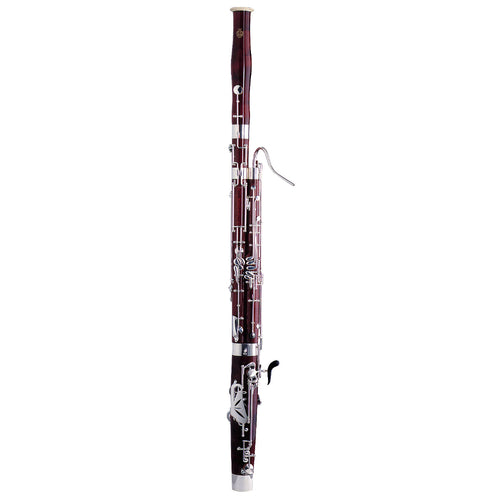
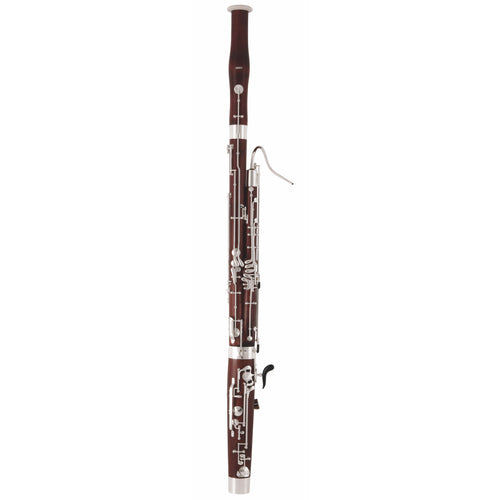
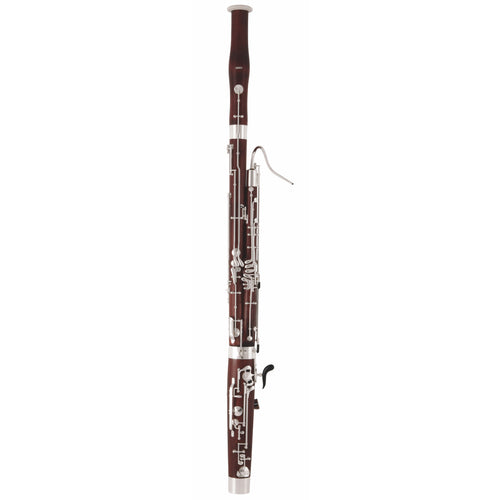
Bassoons
Student through pro · contrabassoons up to $25K
View Collection55+
Saxophones
Soprano · alto · tenor · baritone
View CollectionThe Flagships
From $5,000 to $32,322
Ten instruments at the very top of what we sell. The largest, the rarest, the most expensive woodwind instruments any serious player will ever consider — Marigaux bass oboes, Thore custom contrabassoons, V. Kohlert bassoons, RZ premium-gold clarinets. Every one in stock or built to order.

Bassoon · Contra
$32,322
THORE Professional Contrabassoon
by Thore
View Details
Bassoon · Contra
$24,989
AMATI ABN 38 C Contrabassoon
by Amati
View Details
Oboe · Bass
$19,950
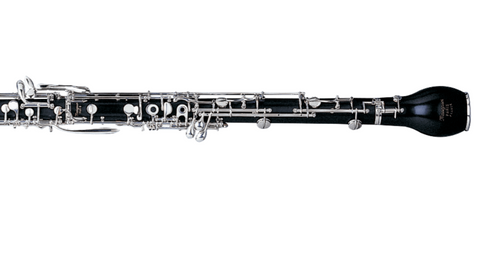
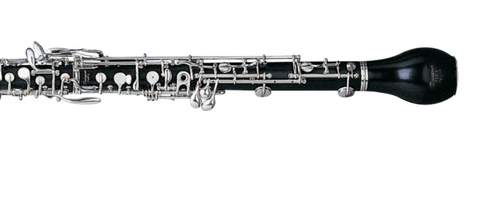
Marigaux Bass Oboe
by Marigaux
View Details
Clarinet · Bass
$13,396
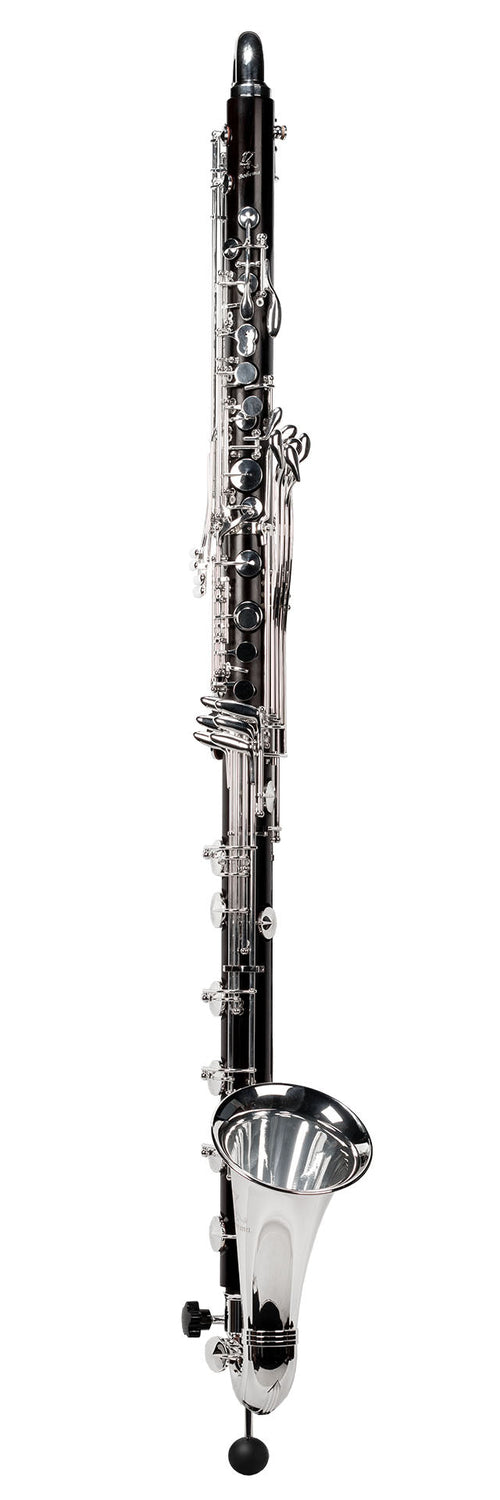
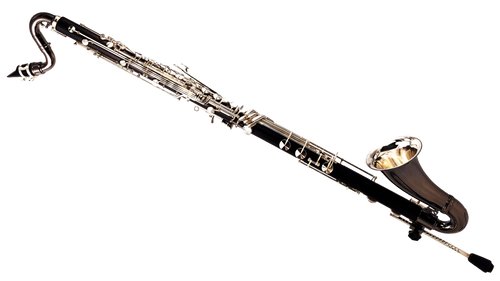
RZ Bass Clarinet (low C) Professional
by RZ Clarinets
View Details
Saxophone · Tenor
$7,669
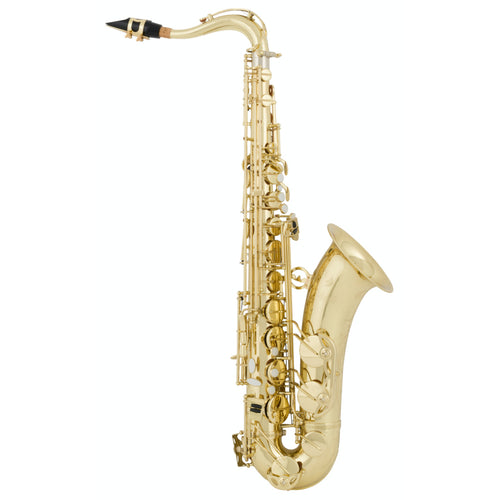
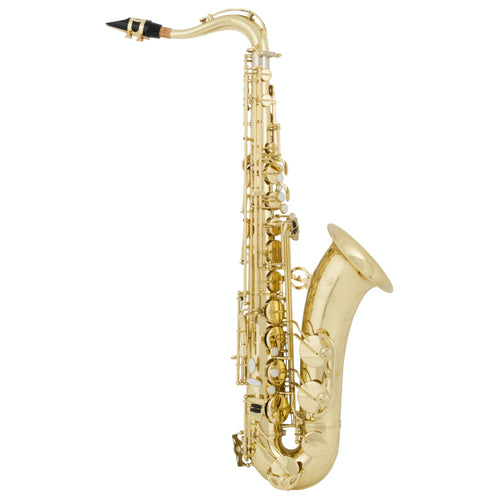
V. Kohlert VKS-TS100 Tenor Saxophone
by V. Kohlert
View Details
Flute · Pro
$5,051
Di Zhao DZB Flute
by Di Zhao Flutes
View Details
Bassoon · Pro
$23,749
V. Kohlert VKS-BN100 C Bassoon de Luxe
by V. Kohlert
View Details
Bassoon · Artist
$20,757
THORE Artist Star Bassoon — custom
by Thore
View Details
Oboe · M2 Professional
$16,355
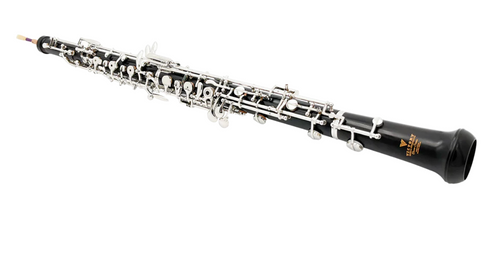
M2 Professional Oboe — full conservatory
by Marigaux
View Details
Clarinet · Premium Gold
$11,933
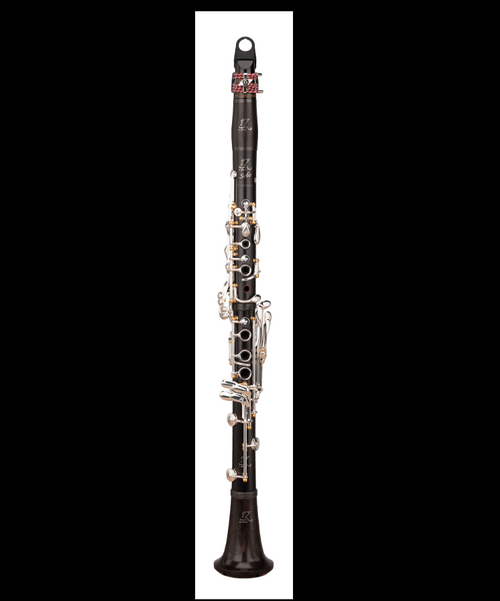
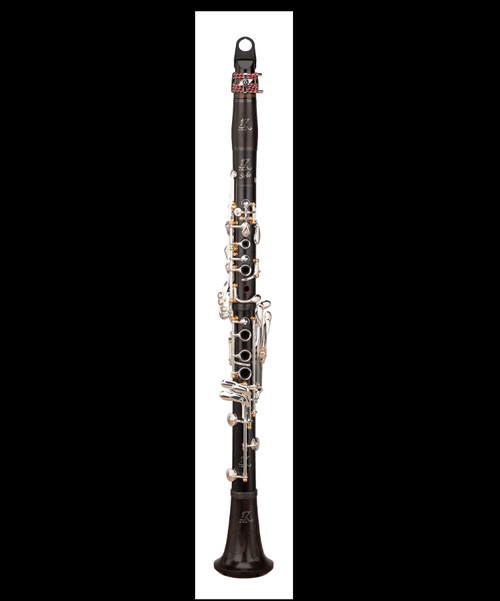
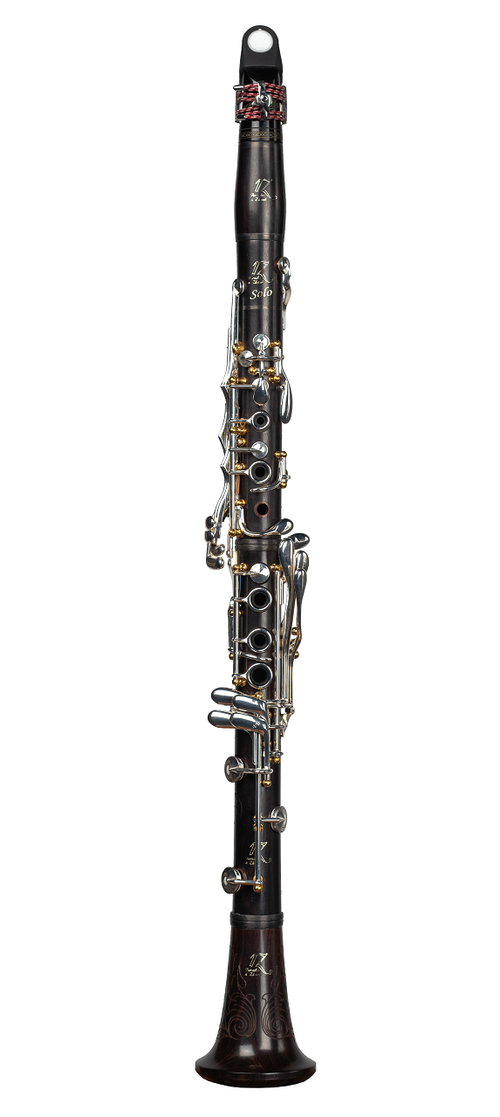
RZ SOLO Bb Clarinet — Premium Gold Edition
by RZ Clarinets
View DetailsFeatured Makers
The Benches That Built The Sound
Three workshops — Paris, Boston, and Bohemia — where the next generation of pro woodwinds is being built right now.

From $19,950
Paris, France
Marigaux
The oboe of the Paris Conservatoire. Hand-built since 1935.
Explore the Collection
From $5,051
Boston, USA
Di Zhao Flutes
Founded by Powell's former master technician. Handmade response, accessible price.
Explore the Collection
From $13,396
Czech Republic
RZ Clarinets
Mopane and grenadilla. European craft, professional response, civilian prices.
Explore the Collection
From $32,322
Germany
Thore
Hand-built bassoons, oboes, and silver alto flutes. The double-reed flagship.
Explore the Collection
Featured Maker · Paris, France
Marigaux
The oboe of the Paris Conservatoire. Hand-built since 1935.
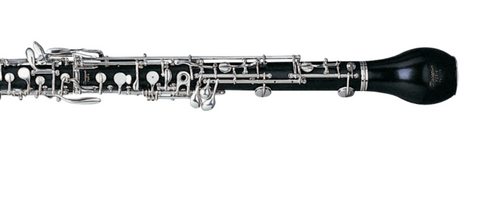
Marigaux has been making oboes in Paris since 1935. The workshop on the rue Lecourbe still hand-bores conservatory bores, machines its own keywork, and signs each instrument with the maker's mark before shipping.
The 901, 2001, and Lemaire models populate the principal oboe seats of the Berlin Philharmonic, the London Symphony, the Concertgebouw, the Vienna State Opera, and the Paris Opera. Marigaux English horns and bass oboes are similarly the standard at the top of the orchestral repertoire.
We carry the conservatory line, the Lemaire (a softer scale designed with players from the Conservatoire de Paris), the English horn, and — when available — the bass oboe. Every Marigaux comes hand-tested before it ships.
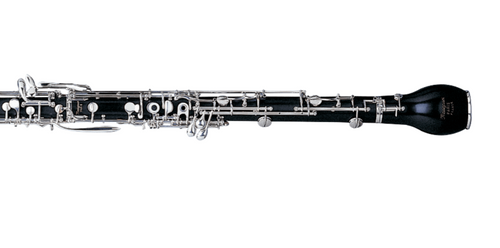
$19,950
Bass Oboe — full conservatory system, grenadilla wood, silver-plated keys
Browse Marigaux
From the Marigaux Collection
View All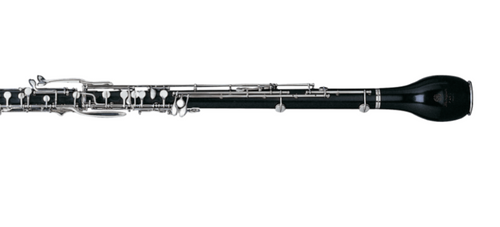


Featured Maker · Boston, USA
Di Zhao Flutes
Founded by Powell's former master technician. Handmade response, accessible price.
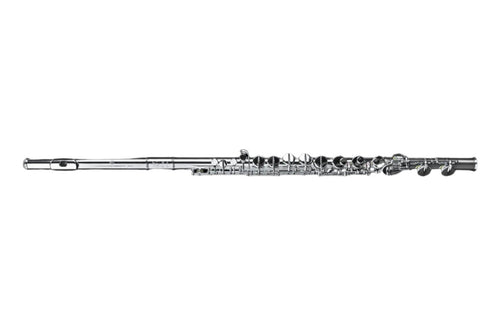
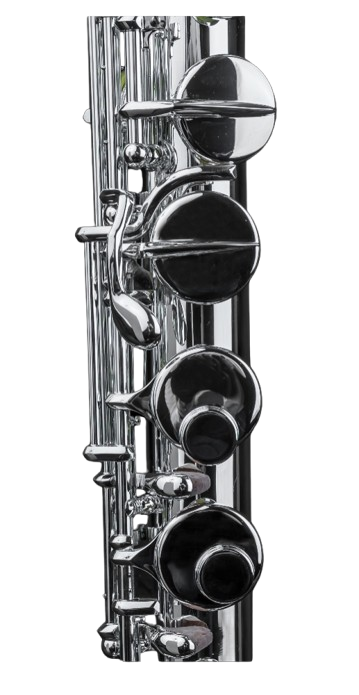
Di Zhao spent fifteen years at Powell as the company's head technician — the person who finalized every flute before it left the shop. In 2003 he opened his own bench, hired a few of the best Powell craftspeople, and started making flutes on the same Boston principle: drawn tone holes (or soldered, on the higher tiers), hand-cut headjoints, French keys for the players who want them.
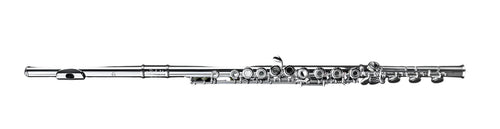
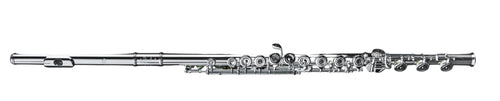
The result is a flute that responds the way a five-figure handmade Powell or Haynes does — but at a price that puts a serious instrument inside the reach of a serious player. The DZ-301 is the entry pro silver flute. The DZ-501 has a sterling-silver headjoint. The DZ-601 and DZA-100 reach toward fully handmade.
The store also carries Di Zhao's student lines for younger players — the same response philosophy, scaled to a younger embouchure and a smaller budget.
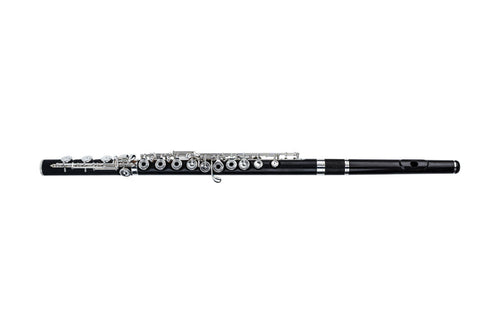
$5,051
DZA-100 — pro silver flute, soldered tone holes, B-foot, Brossa or French keys
Browse Di Zhao Flutes
From the Di Zhao Flutes Collection
View All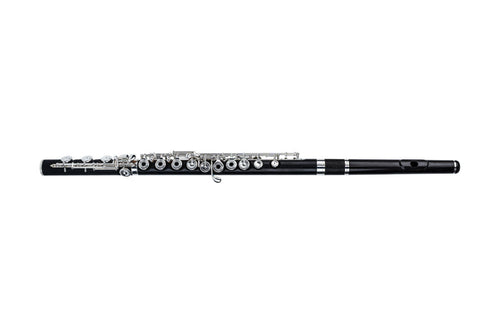



Featured Maker · Czech Republic
RZ Clarinets
Mopane and grenadilla. European craft, professional response, civilian prices.
RZ Clarinets are made in the Czech Republic — a part of the world that quietly produces some of the finest woodwind craft in Europe. Mopane and grenadilla bodies, hand-cut tone holes, finished by a small team that knows every instrument by name.
The line spans student Bb clarinets, professional Bb and A pairs, and — most ambitiously — the V. Kohlert / RZ bass clarinets, including a low-C model that competes with German makers at less than half the price. Players who try them often switch and don't go back.
Every RZ instrument we sell is play-tested before shipping. We can advise on tone-hole undercutting, barrel selection, and bore options.
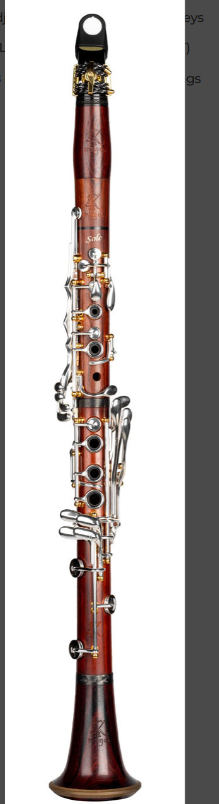
$13,396
RZ Bass Clarinet (low C) Professional — premium gold edition
Browse RZ Clarinets
From the RZ Clarinets Collection
View All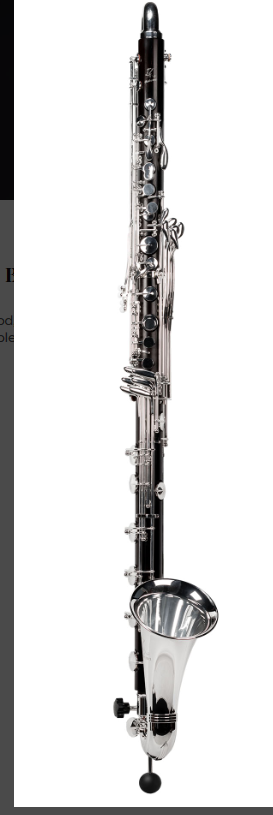




Featured Maker · Germany
Thore
Hand-built bassoons, oboes, and silver alto flutes. The double-reed flagship.
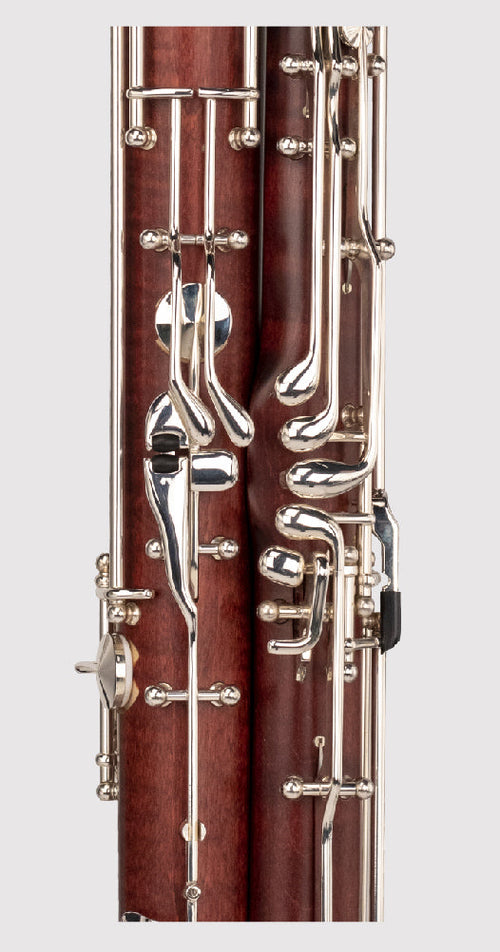
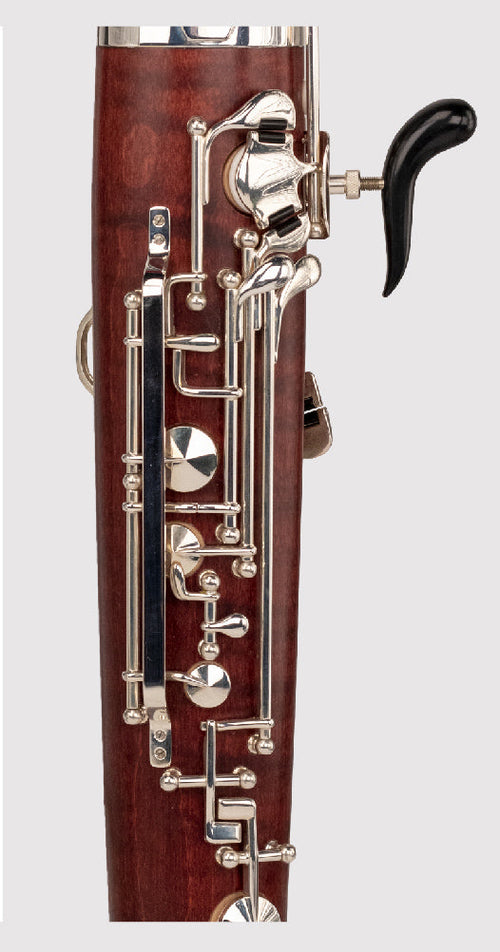
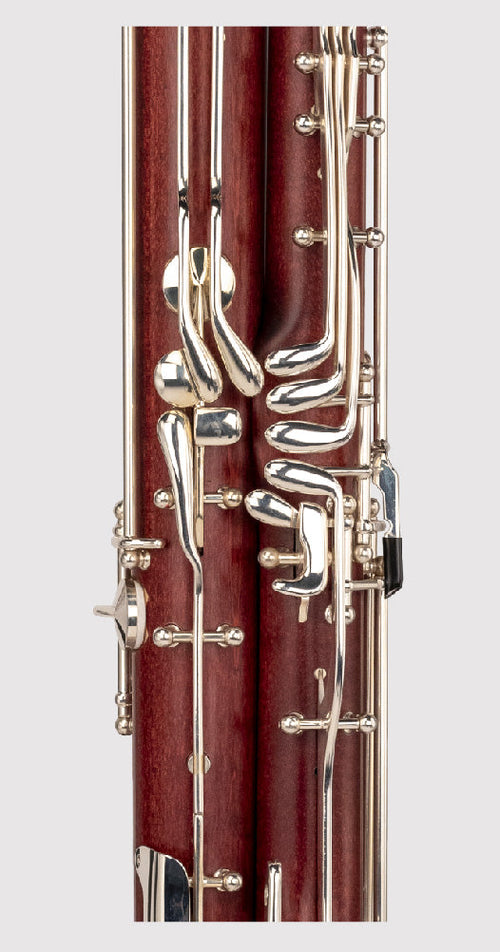
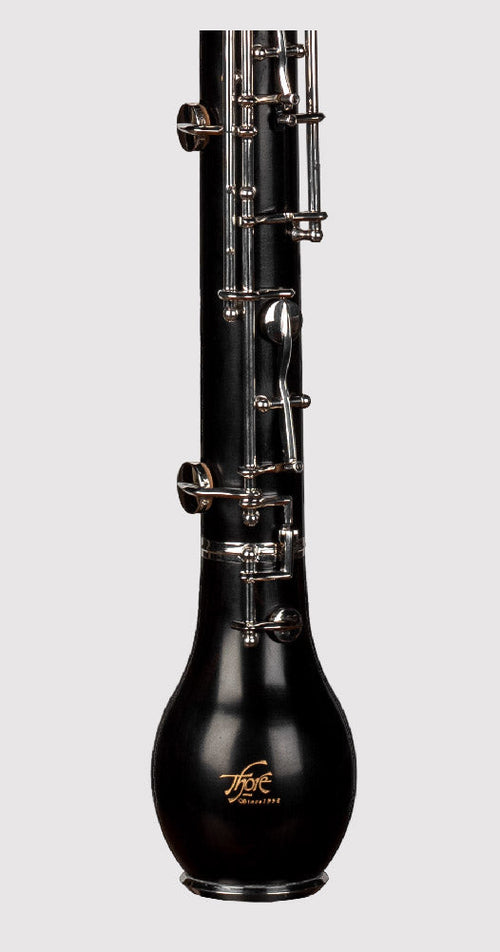
Thore is a German workshop quietly building some of the most ambitious double-reed instruments in production today. The contrabassoon line tops out at $32,322 — making it the single most expensive woodwind on our shelves. The Artist Star Bassoon, custom-fit for the player, sits just below at $20,757. The Artist Bassoon at $14,996. The Professional Bassoon at $14,656.
Beyond bassoons, Thore makes the DACAPO Oboe and a 925-silver-headjoint Alto Flute (TAFL 1020). The signature is the same: hand-cut tone holes, hand-finished keywork, and a sound character built around warmth, projection, and the kind of mid-range core that holds up at the back of a 90-piece orchestra.
For the bassoonist looking past the standard German trio (Heckel, Püchner, Yamaha), Thore is the secret. We carry the full line, including the Artist Star contrabassoon and custom-finish bassoons. Lead times vary — talk to us before ordering.
$32,322
Thore Professional Contrabassoon — the highest-priced woodwind we sell
Browse Thore
From the Thore Collection
View All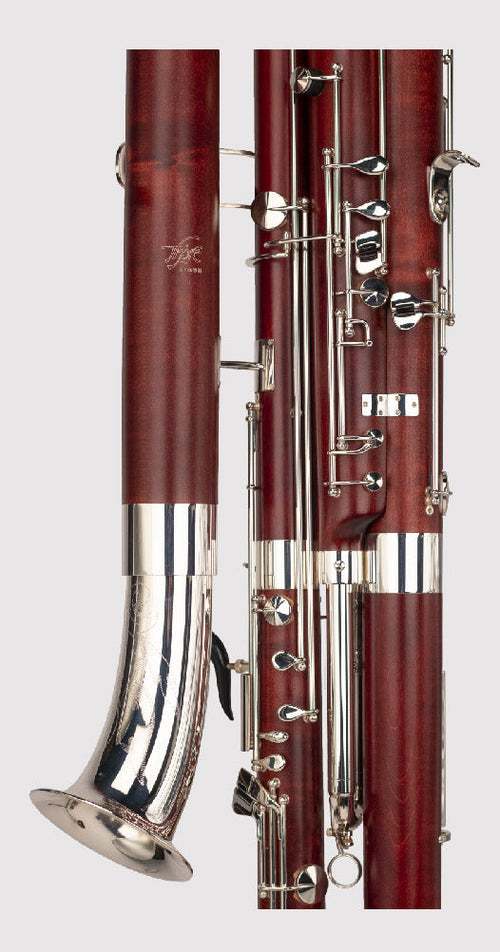


Featured Maker · Paris, France
Vandoren
The world standard for clarinet and saxophone reeds, mouthpieces and ligatures since 1905.
Vandoren has cut reeds in Paris since Eugène Van Doren made the first one for himself at the Paris Opera in 1905. Today the family-owned workshop in Bormes-les-Mimosas grows its own cane on dedicated plantations and processes it through more than 30 quality-control steps before each reed ships.
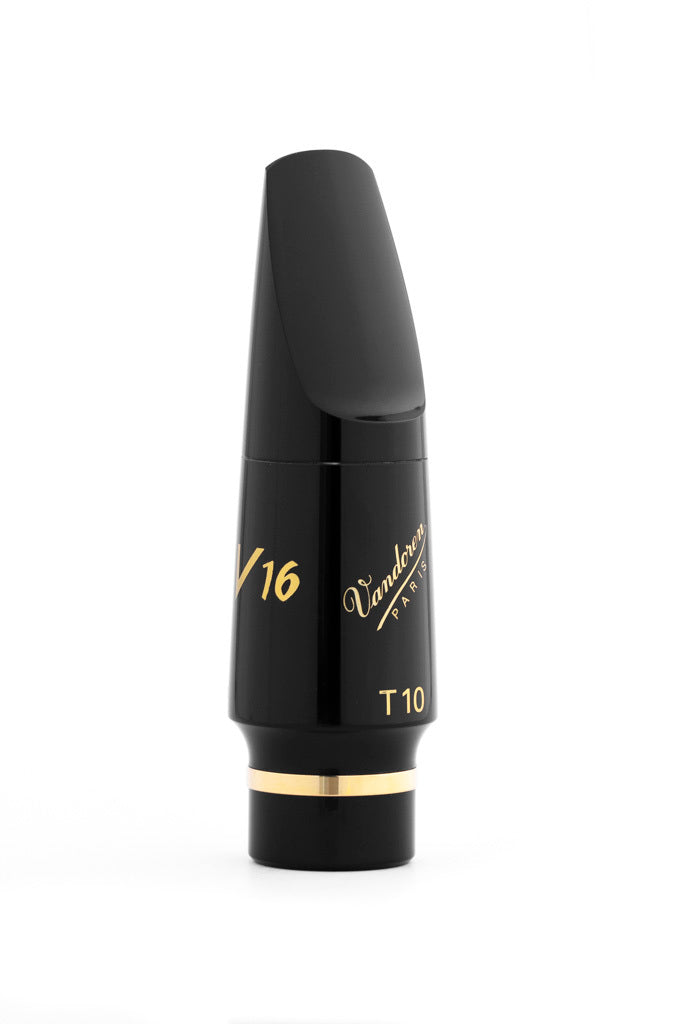
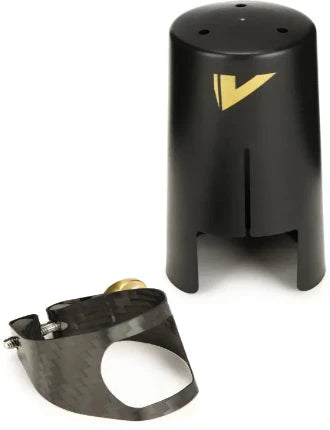
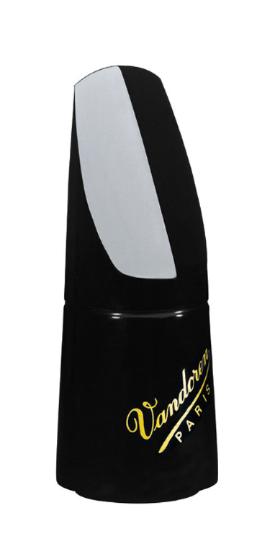
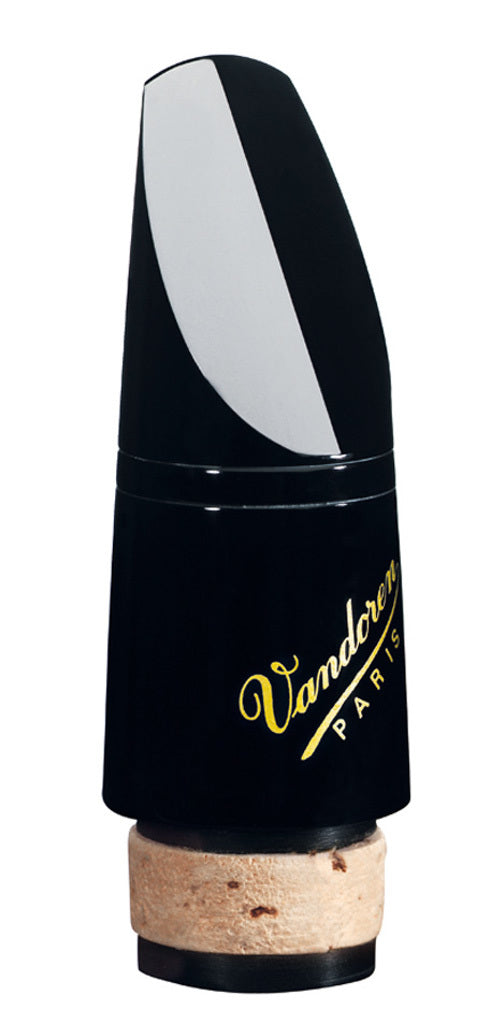
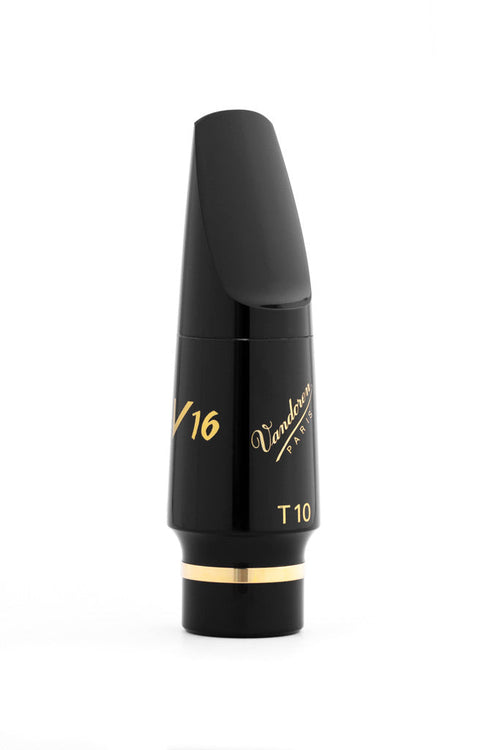
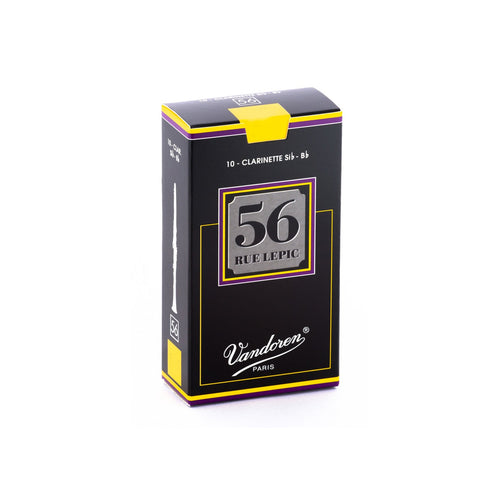
The Traditional, V12, V21, 56 Rue Lépic, Java, ZZ and Misha lines populate the principal seats of nearly every major orchestra. Vandoren mouthpieces — B40, B45, M30, 5RV, M13 — are the chamber music and orchestral standards. Optimum and M/O ligatures, Master Series alto and tenor mouthpieces, and the V16 jazz line round out the catalogue.
We carry the full Vandoren range. Strength matched to your reading. Mouthpiece + ligature pairings recommended by working players.
From $14.50
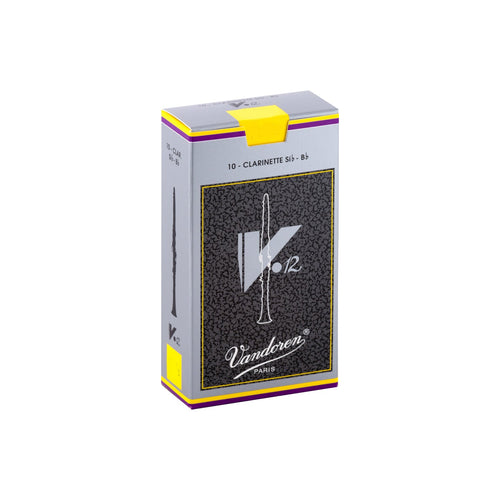
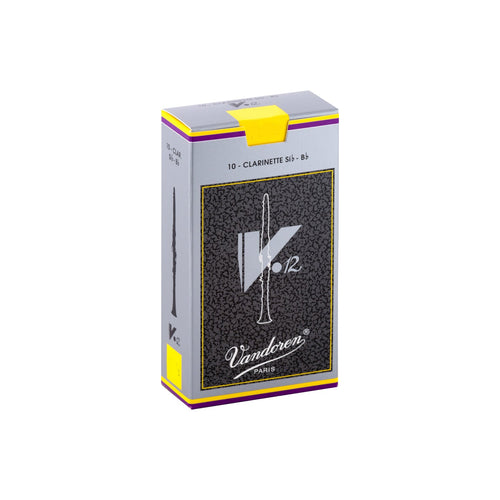
Single reed (V12 clarinet, strength 3.5) — the orchestral baseline
Browse Vandoren
From the Vandoren Collection
View All



Featured Maker · Sun Valley, California
Rico
The student-to-pro reed that introduced more people to single-reed playing than any other.
Rico has been cutting reeds in Sun Valley, California since 1928. Now part of D'Addario Woodwinds, Rico still makes Royal, Reserve, Reserve Classic, Plasticover and the Mitchell Lurie line — strength options that take a student from first day through college conservatory.
Royal is the box every band director keeps in stock. Reserve and Reserve Classic graduate to the Berlin / New York symphony desks. Plasticover survives outdoor marching weather. Each reed ships in the white box you grew up with.
We stock every strength of every cut.
From $1.95
Single Royal clarinet reed strength 2.5 — the band-room baseline
Browse Rico
From the Rico Collection
View All






Reed Library · 3,029 Products
All Reeds — Every Cut, Every Strength
Vandoren · Rico · D'Addario · Marca · Rigotti · Gonzalez · Légère · Hartmann · Hemke · Bravo · Fibracell. Cane and synthetic, Bb clarinet through bass saxophone, every strength in stock.
Browse All 3,029 Reeds

Royal by D'Addario
Royal by D'Addario - Royal Organic Reeds- Alto Sax #3.0, 250 Bulk (RJB0130-B250)
$1,204.27

Royal by D'Addario
Royal by D'Addario - Royal Organic Reeds- Alto Sax #2.5, 250 Bulk (RJB0125-B250)
$1,204.27

Royal by D'Addario
Royal by D'Addario - Royal Organic Reeds- Alto Sax #2.0, 250 Bulk (RJB0120-B250)
$1,204.27

Royal by D'Addario
Royal by D'Addario - Royal Organic Reeds- Alto Sax #1.5, 250 Bulk (RJB0115-B250)
$1,204.27


Royal by D'Addario
Royal by D'Addario - Royal Organic Reeds- Bb Clarinet #3.0, 250 Bulk (RCB0130-B250)
$881.63
Reed Workshop · 2,680 Products
All Rigotti — French Cane, Studio to Pro
Rigotti has cut reeds in southern France since 1970. Three plantations of arundo donax, hand-strength-tested through 30+ filaments. Wild Gold for jazz, Gold for classical — every strength from 1.5 to 4+ in stock.
Browse All 2,680 Rigotti Reeds
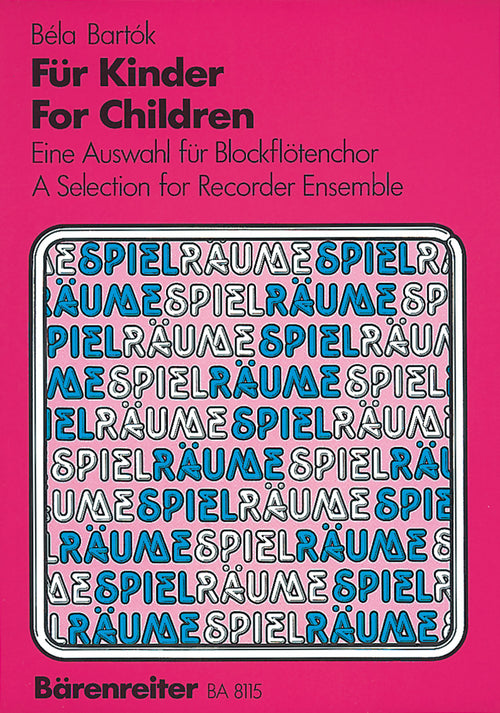
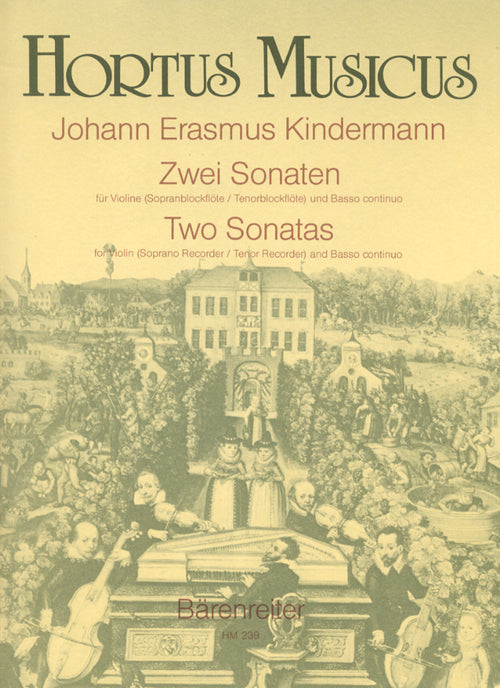
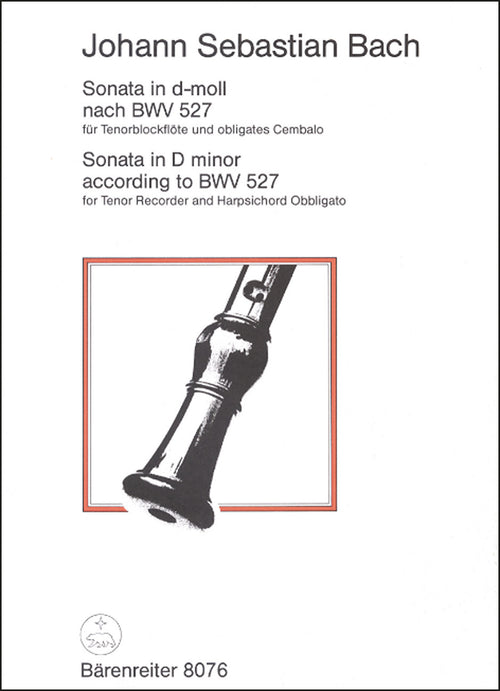
Recorders · 186 Products
All Recorders — Soprano to Bass
Mollenhauer · Küng · Yamaha · Aulos · Aafab. Plastic for school programs, hand-tuned hardwood for the conservatory player. Soprano, alto, tenor and bass — every voicing in stock.
Browse All 186 Recorders




Saxophone Mouthpieces · 498 Products
All Saxophone Mouthpieces
Otto Link · Meyer · Vandoren · Selmer · Yamaha · JodyJazz · Silverstein. Hard rubber, ebonite and metal mouthpieces for soprano, alto, tenor and baritone — chamber, classical and jazz facings.
Browse All 498 Sax Mouthpieces


Claude Lakey
Claude Lakey Alto Saxophone Mouthpiece, Apollo, Rhodium, 7*, with Rovner Ligature
$897.00

Claude Lakey
Claude Lakey Alto Saxophone Mouthpiece, Apollo, Rhodium, 8*, with Rovner Ligature
$897.00

Claude Lakey
Claude Lakey Tenor Saxophone Mouthpiece, Apollo, Gold, 6*, with Rovner Ligature
$897.00


Claude Lakey
Claude Lakey Tenor Saxophone Mouthpiece, Apollo, Gold, 8*, with Rovner Ligature
$897.00
Bassoon · 302 Products
All Bassoon — Reeds, Mouthpieces, Cases, Cane
Fox · Heckel · Püchner · Schreiber. Plus the full reed-making and adjusting toolkit: cane, gouger and shaper, reed knife, plaque, mandrel and former. Everything the contemporary orchestral bassoonist keeps within reach.
Browse All 302 Bassoon Items


Every Voice In The Family
Browse By Instrument
Seven families. Every member, every tier. From the $300 student silver flute to the $32,000 Thore contrabassoon — and the recorder consort, the bass clarinets, and everything in between.

53 in stock
Silver · Gold · Wood
Flutes & Piccolos
From entry student silvers to Di Zhao's handmade Boston-cut pros at $5,000+. Soldered tone holes, French keys, B foot, low-B and low-C extensions — every spec a serious player asks for. Plus piccolos for the orchestral and marching repertoire.
Browse Flutes & Piccolos



105 in stock
Bb · A · Eb · Bass · Contra
Clarinets
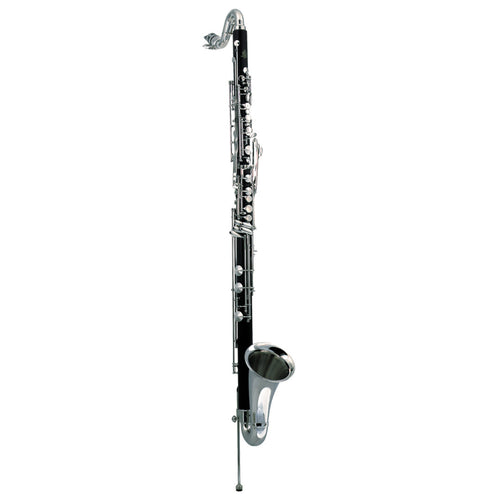
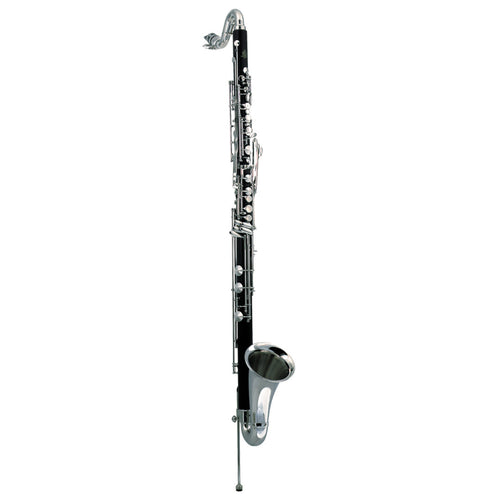
RZ's Czech-made pros in mopane and grenadilla. Amati conservatory and student lines. V. Kohlert bass and contrabass clarinets at less than half the German price. The full clarinet family — Eb, Bb, A, alto, bass, contra-alto, contrabass.
Browse Clarinets



64 in stock
Conservatory · English Horn · Bass
Oboes & English Horn
Marigaux at the principal-oboe tier — used by Berlin Philharmonic, London Symphony, Concertgebouw, and the Paris Opera. Thore conservatory oboes from Germany. Amati conservatory and student lines. English horns and bass oboes available on order.
Browse Oboes & English Horn


Edward B. Marks Music Company
Concertante — for Violin, Flute, Oboe And Chamber Orchestra Full Score
$120.99

Henle Urtext Edition
Gran Partita Bb Major K361 — for 2 Oboes, 2 Clarinets, 2 Basset Horns, 4 Horns, 2 Bassoons and
$89.99


40+ in stock
Pro · Contra
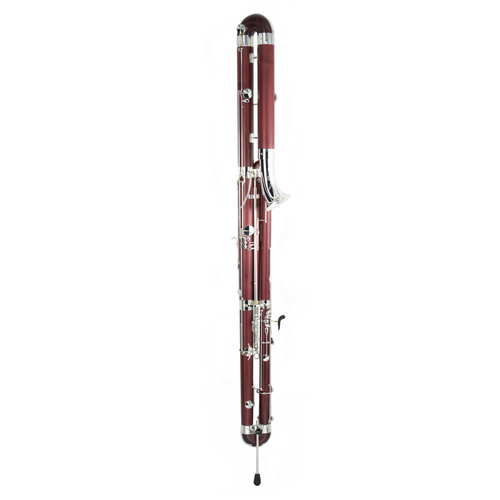
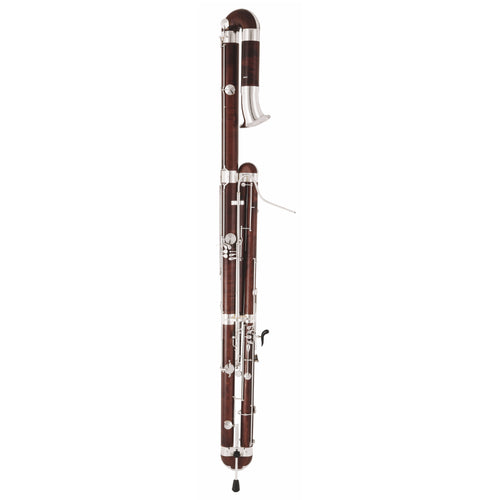
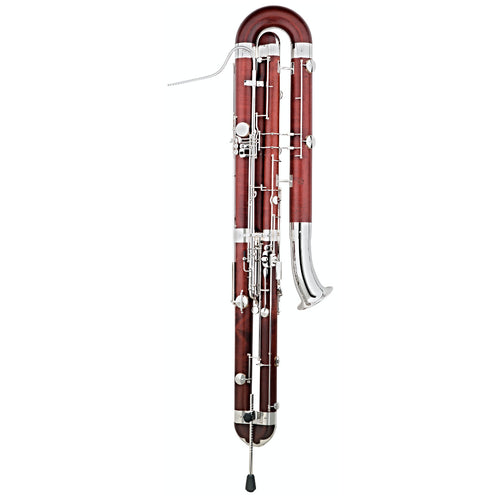
Bassoons & Contrabassoons
Thore at the German-handmade tier — including the $32,322 Professional Contrabassoon, the most expensive woodwind on our shelves. Amati ABN at the conservatory and contrabassoon tiers. V. Kohlert bassoons. Lead times vary on Thore — talk to us before ordering.
Browse Bassoons & Contrabassoons

57 in stock
Soprano · Alto · Tenor · Baritone
Saxophones
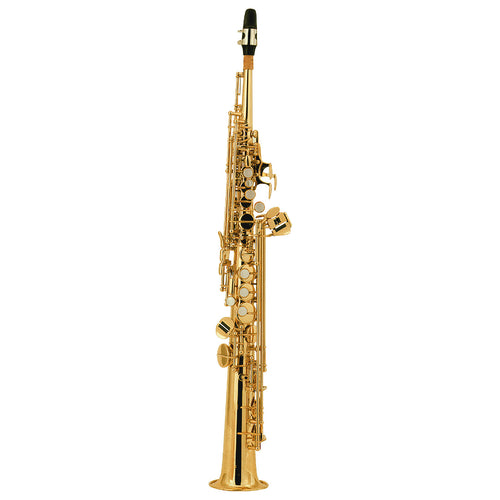
V. Kohlert's VKS series at the European-pro level — VKS-TS100 tenors at $7,669, VKS-AS100 altos and curved sopranos. Amati Andromeda baritones at $6,000. Amati Dream sopranos. The full SATB family in stock and shippable.
Browse Saxophones




The Soul Of The Woodwind
Reeds
Cane is grown in the Var, the Costa Brava, and the Río de la Plata. It is cut, planed, and shipped to your mouthpiece. From there, it is alive — for about three weeks, if you are lucky. We stock the brands that have spent a century learning the difference between a good day and a bad one.
Cane · clarinet, sax, oboe, bassoon
Vandoren
Paris, since 1905. The reference. Traditional, V12, V21, ZZ, Java.
ShopSynthetic · all
Légère
Polypropylene composite. Used by leading classical & jazz pros.
ShopCane · clarinet, sax, double
Rigotti
French maker. Hot, Wild, Gold, and the famous Reedgeek tools.
ShopCane · clarinet, sax, double
Marca
French. Marca Premium, Superior, Excel — Pro, Soloist, American Vintage.
ShopCane · sax, clarinet
Royal D'Addario
Premium D'Addario line. Filed cut, deep tone.
ShopCane · all
Rico
The student standard, now the D'Addario classic line.
ShopSynthetic · sax, clarinet
Hartmann (Fiberreed)
German precision. Carbon, Onyx, Hemp — the synthetic that set the standard.
ShopCane · oboe, bassoon
Chartier
Canadian double-reed specialist. Hand-selected cane.
ShopCane · sax
Hemke
Frederick L. Hemke's saxophone reed legacy.
ShopCane · clarinet, sax
Gonzalez
Argentine premium. Mendoza cane, Local 627 cut, FOF, GD.
ShopSynthetic · sax, clarinet
Fibracell
Glass-fiber composite. Bright, immediate response.
ShopCoated cane · sax, clarinet
Plasticover
Coated reeds for outdoor and humid conditions.
ShopSynthetic · sax, clarinet
Bravo
Affordable synthetic — perfect doubler / backup reed.
ShopBassoon · cane & supplies
Hodge
Bassoon reed cane, knives, mandrels, and the Hodge "Easy Glide" swab.
ShopTop Reeds By Price
All Reeds







Sound Shapers
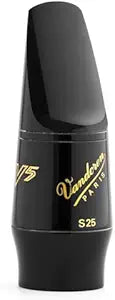
Mouthpieces
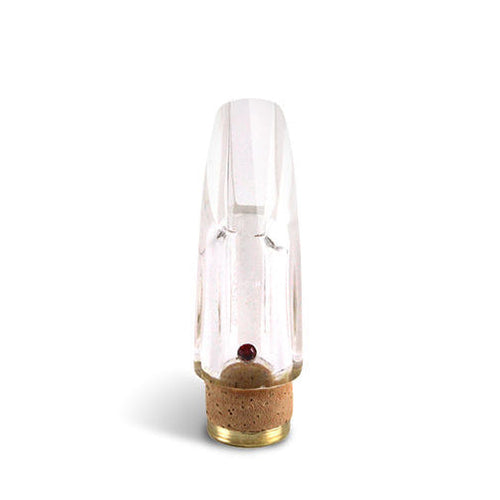
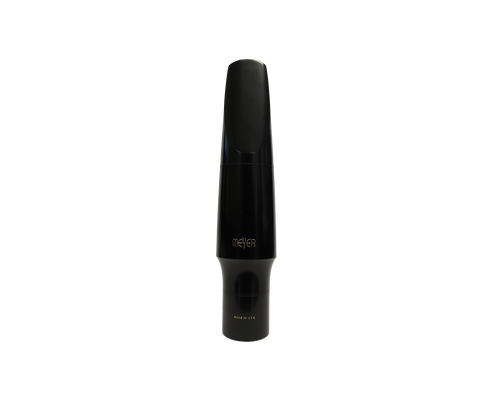
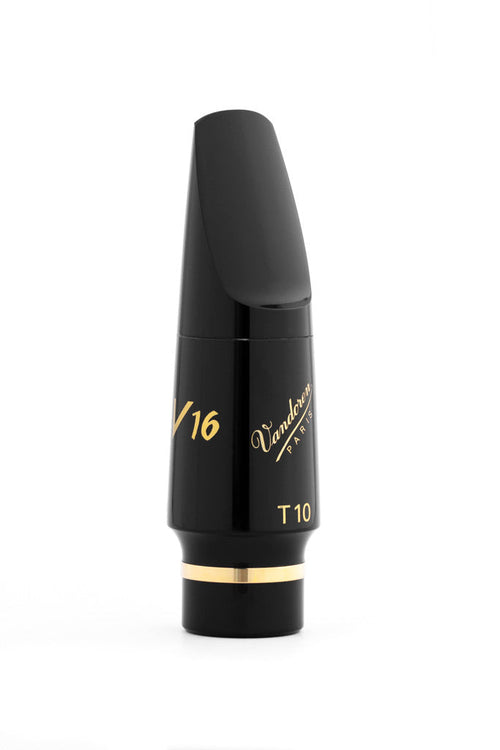
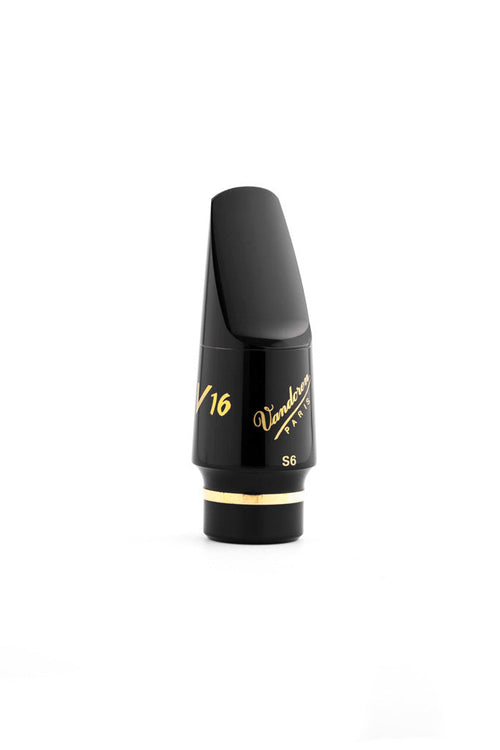
If the reed is the body, the mouthpiece is the architecture. Tip opening, facing length, chamber size, baffle, table — every dimension shapes how the air becomes sound. Hard rubber for warmth, crystal for projection, metal for power.
Universal
Vandoren
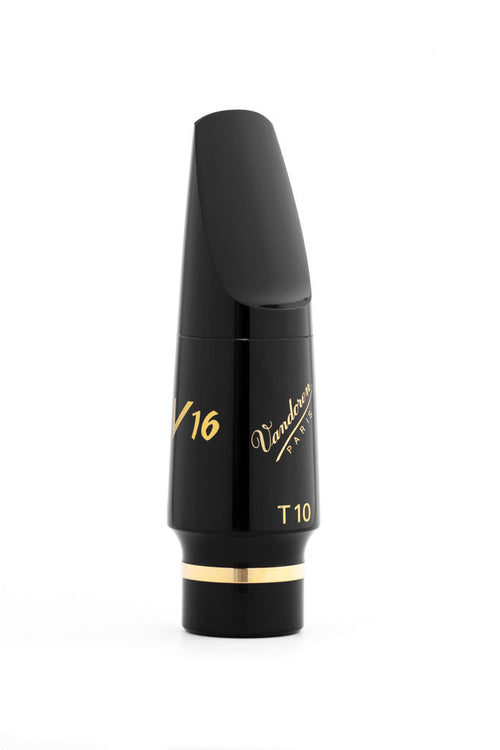
Clarinet (M-series, 5RV, B40), Sax (V16, V5, Optimum), Oboe staples.
ShopCrystal
Pomarico
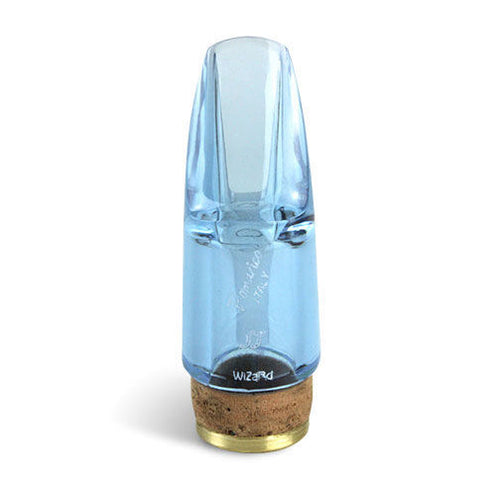
Italian crystal — projection without harshness. Clarinet & Sax.
ShopSax legend
Otto Link
Tone Edge & Super Tone Master — the jazz tenor benchmark since 1949.
ShopSax classic
Meyer
The alto-sax small-chamber sound that shaped bebop.
ShopVintage replica
Meyer Bros
Hand-faced reproductions of the legendary 1940s NY Meyer Brothers.
ShopClarinet
Charles Bay
Hand-faced. Used by symphony principals worldwide.
ShopSax
Claude Lakey
Bright, broad sound. Studio and lead-alto staple since 1969.
ShopModern flagship
Silverstein
CryoBlue-treated brass. New-school precision, top-of-line finish.
ShopSax · clarinet
Bari
Hard rubber and metal. Player-tested strengths.
ShopCustom
JK Mouthpieces
German custom-shop. Sax & clarinet — refacing, hand-finishing.
ShopCustom
Stork
Boston-area custom faces. Sax mouthpieces, hand-built one at a time.
ShopSax
J D Hite
American hand-faced — preferred by lead-alto specialists.
ShopTop Mouthpieces By Price
All Mouthpieces




The Last 5%
Ligatures
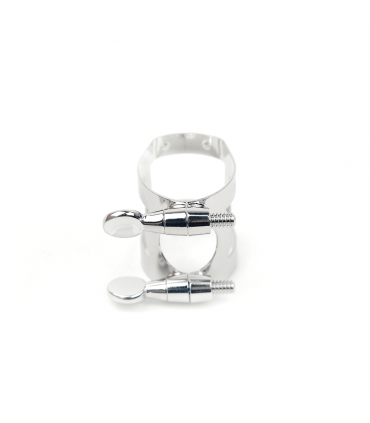
A ligature holds the reed against the mouthpiece. That sounds trivial. It is not. The pressure pattern, the contact area, the material — every variable changes how the reed vibrates. The right ligature on the wrong setup is unnoticeable. The right ligature on the right setup is the difference between fighting and flying.
Ligature
Silverstein Works
CRYO4 GOLD, Quattro — the modern fabric-cord ligature.
ShopLigature
Rovner
Dark, Light, Versa — the original wrap-style ligature.
ShopLigature
BG France
Standard, Tradition, Revelation — French metal & fabric.
ShopLigature
Vandoren
Klassik, M|O, Optimum — the conservatory choice.
ShopCarry & Travel
Cases & Bags
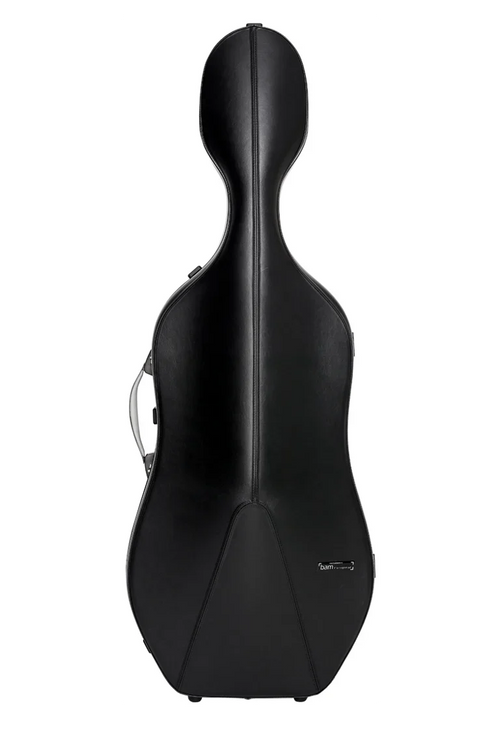
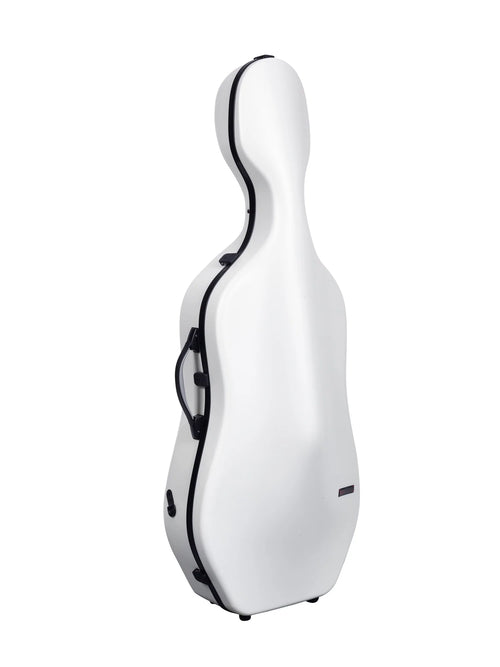
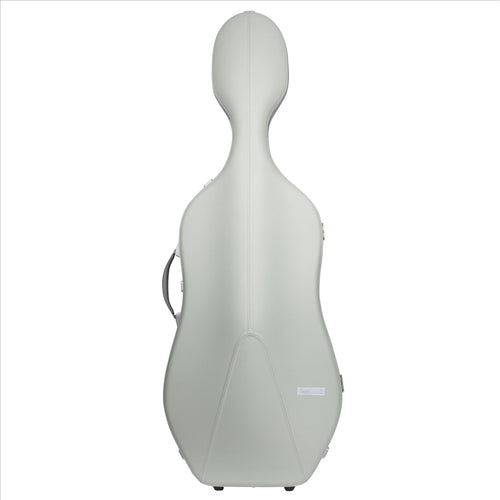
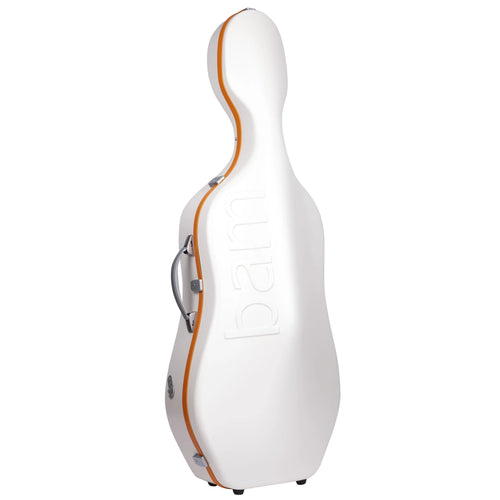
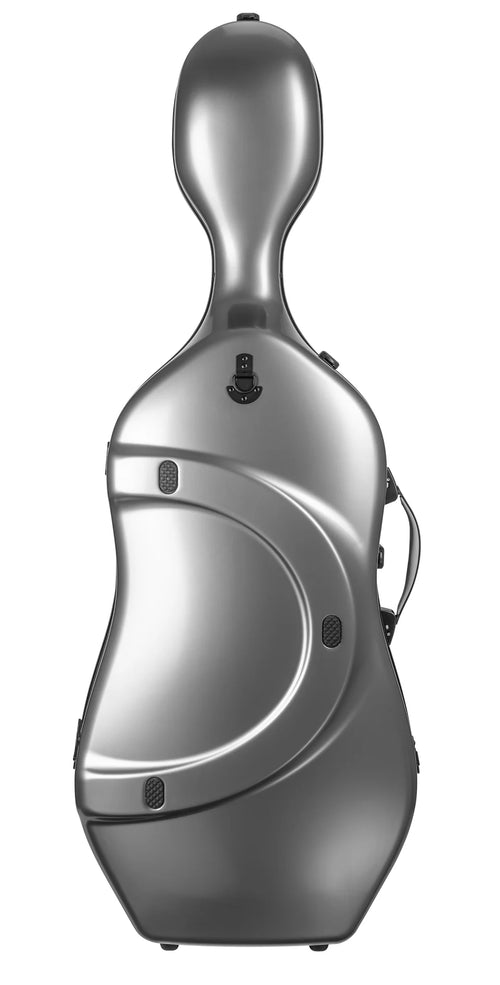
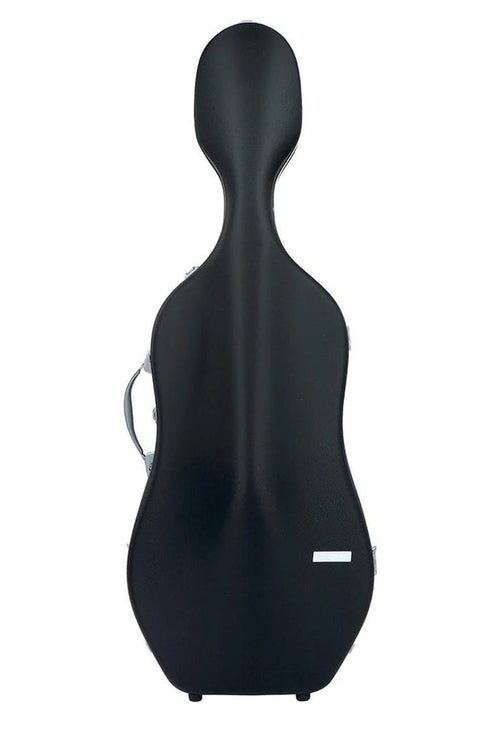
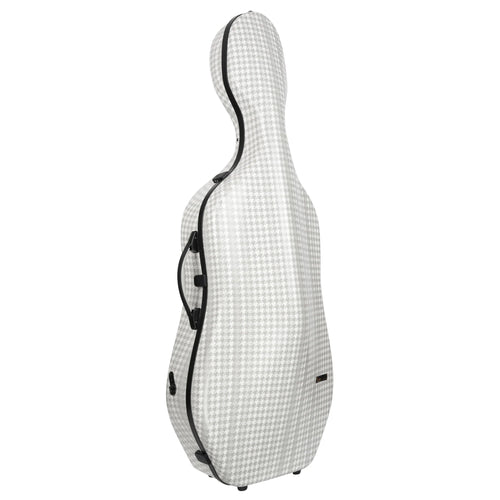
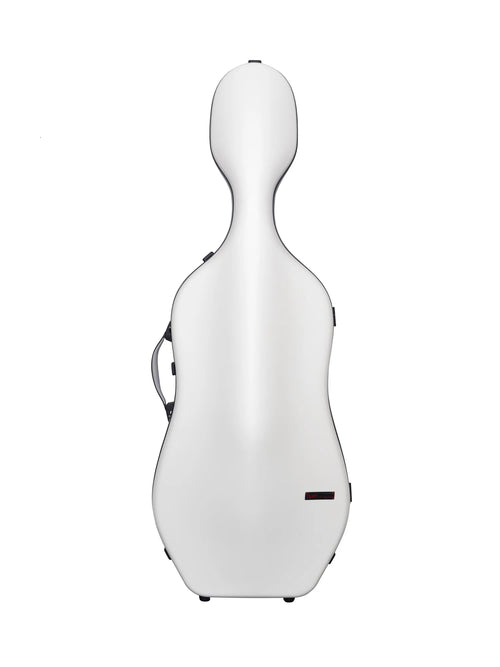
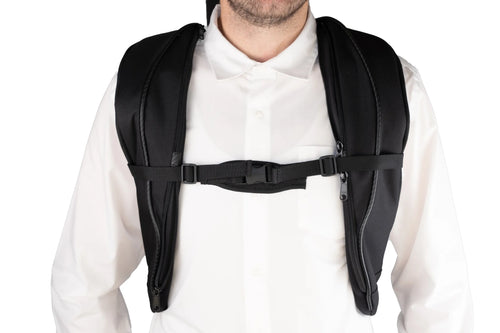
A $20,000 oboe deserves a case that protects it. We stock BAM's Hightech series for working pros, Reunion Blues for the gigging player, and Neotech straps and harnesses for the alto neck after a four-hour set.
Cases · Bags
BAM
France. Hightech and Trekking series — the working pro's case since 1986.
ShopCases · Bags
Reunion Blues
San Francisco. The Continental Voyager — premium gig bags with Bombsheltering padding.
ShopCases · Bags
Neotech
Straps and harnesses. The Soft Sax Strap is the studio standard.
ShopFeatured BAM Cases
All BAM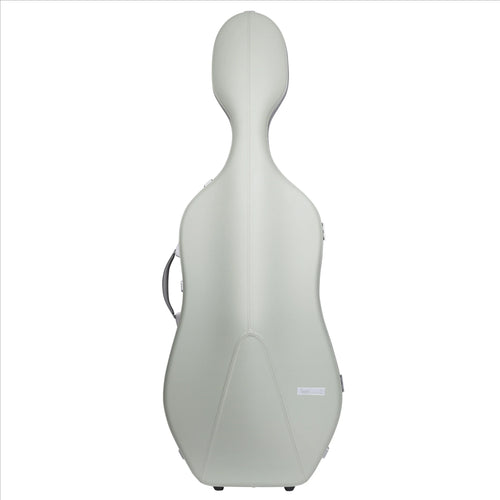


The Repertoire
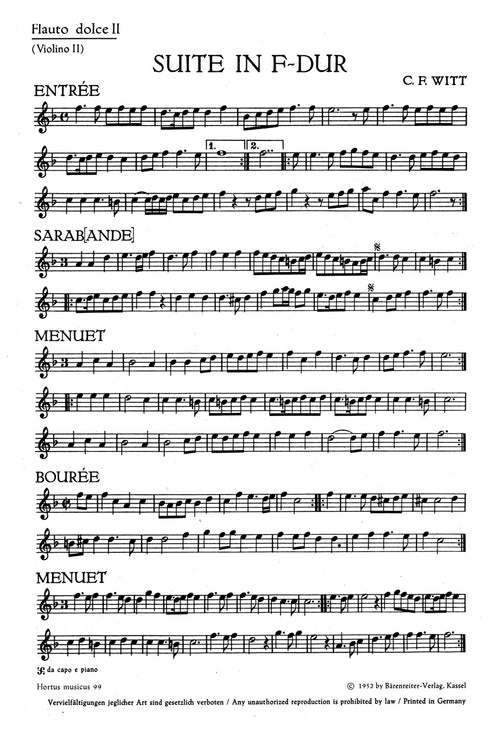
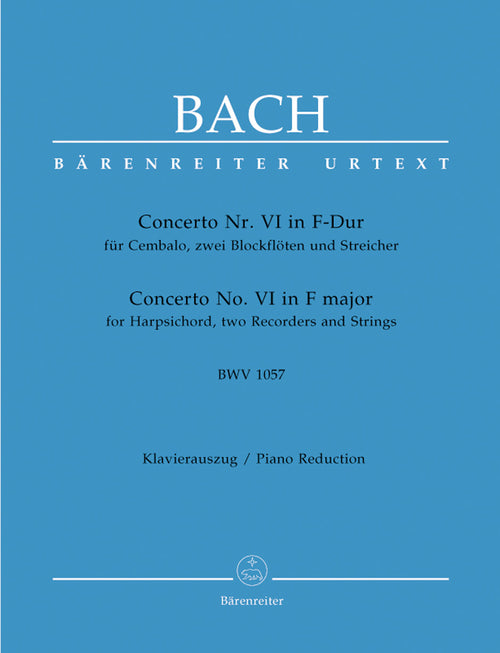
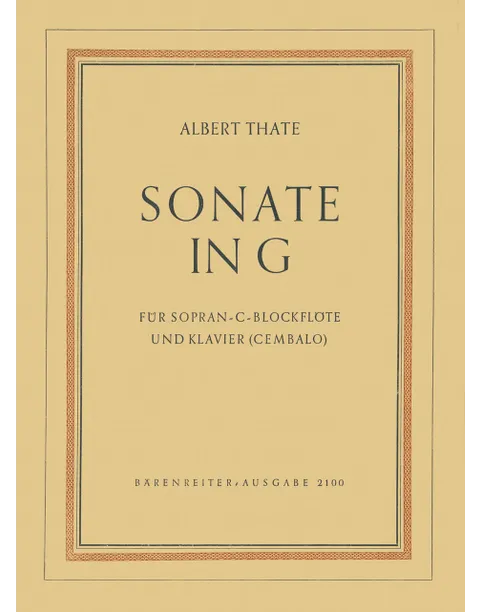
Sheet Music & Method Books
From the standard concertos to the Klosé clarinet method, the Weissenborn bassoon studies, and the Taffanel-Gaubert flute exercises — every piece a serious musician needs in print.
95+ titles
Flute Music
Bach Sonatas, Mozart Concertos, Taffanel-Gaubert, French repertoire
Browse98+ titles
Clarinet Music
Mozart, Brahms, Weber. Klosé, Cavallini, Baermann etudes
Browse46+ titles
Oboe Music
Bach, Mozart, Strauss. Ferling, Barret, Salviani etudes
Browse24+ titles
Bassoon Music
Weissenborn, Milde. Mozart Concerto, sonatas, chamber
Browse1+ titles
Saxophone Music
Glazunov, Ibert. Jazz studies and standards
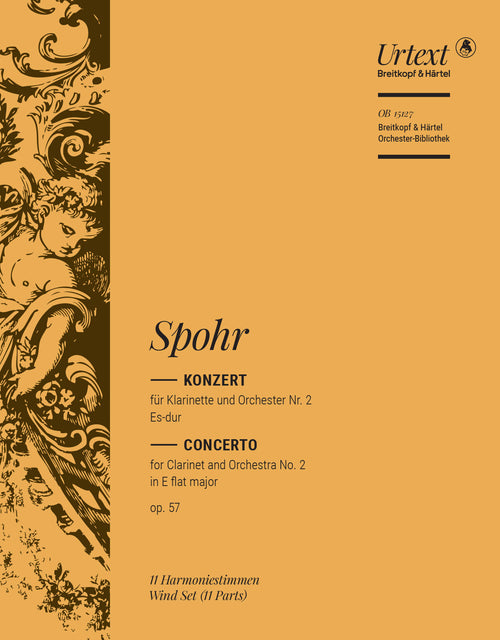
BrowseFeatured: Clarinet Repertoire
All Clarinet Music
Cherry Lane Music
Viktor's Tale (from The Terminal) — Clarinet and Orchestra Score and Parts
$495.99


Cherry Lane Music
Viktor's Tale (from The Terminal) — Clarinet and Concert Band Score and Parts
$235.99


Stage & Studio
Microphones · Stands · Tuners · Lighting
The professional infrastructure around the instrument. DPA Microphones for orchestral live amplification. Earthworks for premium recording. Apogee for the USB studio interface. Konig & Meyer for the stands the entire industry standardizes on. Mighty Bright for stand lighting. Soundbrenner for the wearable metronome.
Live · Orchestra
DPA Microphones
Danish flagship. The 4099 CORE for Brass — clip-on instrument mic, the orchestral live-amplification standard. Used by Berlin Phil, NY Phil, LSO.
ShopRecording · Premium
Earthworks
American boutique. The QTC30 measurement-grade omni and SR117 supercardioid — the engineer's mic for transparent recording.
ShopUSB · Studio
Apogee USB Mics
Apogee HypeMiC, MiC+, ClipMic digital 2 — studio-quality USB mics for the practice room, lesson Zoom, podcast bench.
ShopStands · Hardware
Konig & Meyer
German precision since 1949. Music stands, mic stands, instrument stands — Kingsize Tuba Stand to 259 Mic Stand. The industry default.
ShopStand Lighting
Mighty Bright
LED music-stand lights. Orchestra Pro, Hammerhead Duet, Encore — the rehearsal pit, recording booth, and chamber stage standard.
ShopWearable Metronome
Soundbrenner
Vibrating wearable metronome and tuner. The modern practice tool — feel the beat instead of hearing the click.
ShopFeatured Microphones
All Microphones

Featured K&M Stands
All K&M


Care & Carry
Cases, Stands, Cleaning
A pad set runs five years if you treat the horn right and two if you don't. Every working player keeps swabs in the case, a stand on stage, and a pad saver between sets. We stock what they actually use.
Cases & Covers
BAM, MTS, Ortola, Reunion Blues
BrowseStands
Hamilton, K&M, On-Stage
BrowseCleaning & Care
Hosco, HW, BG, swabs and pad savers
BrowseStraps & Harnesses
Neotech, BG, Cebulla
BrowseReed Cases & Tools
Reedgards, knives, mandrels, plaques
BrowseMouthpiece Accessories
Caps, patches, cushions
BrowseTiered For Every Stage
Student. Pro. The Right Horn For Right Now.
An eleven-year-old picking up a clarinet for the first time and a Conservatoire grad shopping a recital instrument want different things. We carry both ends — and the long middle.
Student
Affordable, durable, designed to teach
Hand-Picked
Editor's Choice
The horns we'd buy ourselves if we were starting today.
The Whole Roster · 48 Brands
All Woodwind Brands
Every maker we carry — instrument builders, reed cutters, mouthpiece houses, case makers, accessory specialists. Tap any name to read their story and shop their line.
Instruments6 brands
Reeds13 brands
Mouthpieces11 brands
Ligatures3 brands
Cases3 brands
Specialty5 brands
Frequently Asked
Questions Worth Answering
For most beginning clarinet and saxophone players, a strength 2 or 2½ is the right place to begin — strong enough to produce a steady tone, soft enough to respond. Move up gradually as your embouchure develops. Reed strength is not a difficulty rating; it's a resistance setting that has to match your mouthpiece, your air, and the sound you're after. Pros routinely play 3 to 4 on classical mouthpieces and 2½ to 3½ on jazz mouthpieces. Try a sampler — Vandoren and D'Addario both make multi-strength packs.
They're tuned a half-step apart. The Bb is the standard you start on — it's used in band, jazz, and most chamber music. The A clarinet is a slightly longer, slightly darker instrument used heavily in orchestral repertoire (Mozart, Brahms, and most opera scores call for both at different points). Serious orchestral players carry both and switch mid-piece. Eb, alto, bass, and contra clarinets fill out the family at the high and low ends.
Student horns (e.g. Amati alto around $1,000–$2,000) have lighter keywork and simplified tone-hole geometry to make the early years easier. Intermediate horns add features like high-F#, ribbed construction, and better lacquer. Pro horns (Selmer Reference, Yanagisawa, Yamaha Custom — and at our store the V. Kohlert/RZ-tier Czech pros) have hand-finished keywork, premium pads, and the resistance + projection that hold up in the orchestra and on the bandstand. The right level is the one that doesn't fight you in your current setting.
Both. Cane (Vandoren, D'Addario, Rico) responds with the warmth and complexity that has defined the woodwind sound for two centuries — but cane is moody, weather-sensitive, and goes flat fast. Synthetic reeds (Légère, Hartmann Fiberreed, Fibracell) play instantly out of the case, hold up in any climate, and last much longer. Most working pros now own both. Outdoor gigs, doubling, lesson teaching, jazz solos: synthetic. Concert solos, recordings, principal seats: usually cane.
They're cousins. The oboe (in C) is brighter, smaller, the iconic "tuning A" voice of the orchestra. The English horn (in F, also called cor anglais) is a fifth lower, larger, with a pear-shaped bell that gives it the unmistakable warm, plaintive sound — the "Largo" of Dvořák's New World Symphony, the love theme of Tristan und Isolde. Most pro oboists own both. We carry Marigaux at the top end and Fox + Amati at the conservatory and student tiers.
Pads typically last 3–7 years on a well-cared-for instrument, less on heavy gigging horns. The signs: leaks, sluggish response, sticky keys, a "ghost" tone. Corks and springs tend to outlast pads. Annual maintenance — a tech inspection, a crown-to-bell adjustment, light corking and oiling — is what keeps a $5,000 horn playing like one. We can recommend regional repair shops and we stock care products from Hosco, HW, and BG France.
Hard rubber (Vandoren, Charles Bay, Otto Link rubber) is the dark-warm classical default. Crystal (Pomarico) gives more focus and projection without going harsh — favoured by some chamber and lead players. Metal (Otto Link Metal, Meyer Bros) is brighter and louder, the lead-alto and tenor-jazz choice. None is "better" — they're different colours on the same palette. Most pros keep two or three for different rooms.
Yes, more than you'd think. A traditional metal screw ligature (Vandoren Optimum, BG Tradition) gives a focused core. Fabric/cord ligatures (Rovner, Silverstein) free up vibration for a broader, more resonant sound. The change isn't huge — it's the last 5% — but at the pro level the last 5% is the whole game. Try one of each on your current mouthpiece and you'll hear it.
Personal Service
Need help choosing? Talk to a specialist.
Every reed, mouthpiece, and instrument we sell is play-tested or hand-vetted before it ships. If you're weighing a Marigaux Lemaire against the 901, or trying to decide between Vandoren V12 and V21 cuts, or matching a bass clarinet to your section's pitch — we'll be on the phone in five minutes.
Also From The Musicians Club
The Other Clubs
Same curation, different family. If you double, teach, or shop for a section — we've built a club for every voice in the orchestra.
Stay In Tune
Get Our Reed-Drop & New-Arrivals Letter
Once a week. New stock, fresh setups, and the occasional setup tip from the bench. No noise.
The Woodwind Club
Find Your Voice.
A reed sits in front of you. A mouthpiece sits in front of that. Beyond them, a flute or a clarinet or a tenor saxophone — whichever one you have spent your whole life waiting to play. We're here to help you choose it.