The Musicians Club Presents

The Keyboard Club

The repertoire. The urtext. The library every serious pianist owns.

Piano, organ, harpsichord, celesta — the editions, the method books, the chamber music with piano, and the publishers behind them. Bärenreiter urtext. Breitkopf, Henle, Peters. Plus method books, music stands, lighting, and the practice tools the keyboardist actually uses.

Scroll
Free Worldwide Shipping
Vendor-Direct Sourcing
14-Day Returns
Musician Concierge
15+
Publishers
3,000+
Sheet Music Titles
1,056
Piano Titles
50+
Countries Shipped

Manifesto

Eighty-eight keys. Three centuries of repertoire. The instrument that defined Western harmony and the library that documents its evolution.

The keyboard family is where Western music's grammar was built. Bach worked out counterpoint at his harpsichord. Beethoven discovered the post-Classical sonata at his fortepiano. Chopin invented modern pianism at his Pleyel. The piano in your home, the organ in your church, the harpsichord in the early-music ensemble — they all come from the same family, all read the same notation, all serve the same library.

We don't sell pianos themselves — we sell what makes pianos sing: the urtext editions, the scholarly facsimiles, the method books, the chamber-music partner literature. The library every serious pianist or organist or harpsichordist builds over a lifetime.

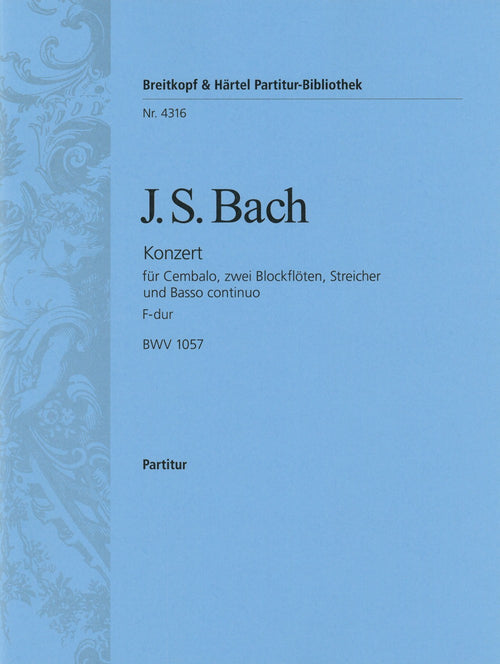
We carry the publishers who take this seriously. Bärenreiter in Kassel, the urtext gold standard since 1923 — Bach, Mozart, Beethoven, the conservatory canon. Breitkopf & Härtel in Leipzig, the oldest music publisher in continuous operation, since 1719. Henle in Munich, urtext editions with hand-engraved fingerings by major pianists. We carry the urtext line and the working-edition line. We sell what serious students and pros use.

Three Hundred Years at the Keyboard

From the Italian Cembalo to the Bayreuth Concert Grand

The keyboard tradition begins with Bartolomeo Cristofori, who built the first piano — gravicembalo col piano e forte — in Florence around 1700. Bach used it; Mozart wrote his concertos for one; Beethoven destroyed dozens of them in his struggle to make them louder, more responsive, more pianistic. The modern grand piano emerged through Erard, Pleyel, and Steinway in the 19th century — and through smaller workshops like Steingraeber & Söhne in Bayreuth, whose 1852 founding put them in the same building Wagner walked past on his way to Festspielhaus rehearsals.

The repertoire is the deepest in Western music. Bach's Well-Tempered Clavier; Beethoven's 32 Sonatas; Chopin's Études, Préludes, Mazurkas; Liszt's Sonata in B minor; Debussy's Préludes; Bartók's Mikrokosmos; Messiaen's Vingt Regards. Plus the organ tradition — Buxtehude, Bach, Reger, Vierne, Widor, Messiaen. Plus harpsichord, celesta, fortepiano. The keyboardist's library is a lifetime's commitment.

We sell what makes that library playable. Bärenreiter urtext editions. Steingraeber pianos to the player who needs the singing instrument. The library every conservatory pianist builds, in the editions every conservatory teaches from.

Steingraeber & Söhne · Bayreuth 1852

The Difference Between Being Good and Being Great

"The most important thing is to transform the piano from a percussive instrument into a singing instrument... [with] shading, colours and contrast."

— Vladimir Horowitz

One of fewer than ten manufacturers worldwide capable of crafting a true singing piano. Hand-built in Bayreuth, Germany, since 1852. Each instrument is designed by the Schmidt-Steingraeber family and built by their elite circle of artisans — from the locksmith's shop and the winding of strings to the precision mechanics of the action.

By inquiry only

The Grand Pianos

Five grand pianos. Heard in concert halls from Berlin to Bayreuth, from Bangkok to San Francisco. Custom finishes, custom veneers, alternative keyboards, and the Liszt-edition specifications all available on request.

E

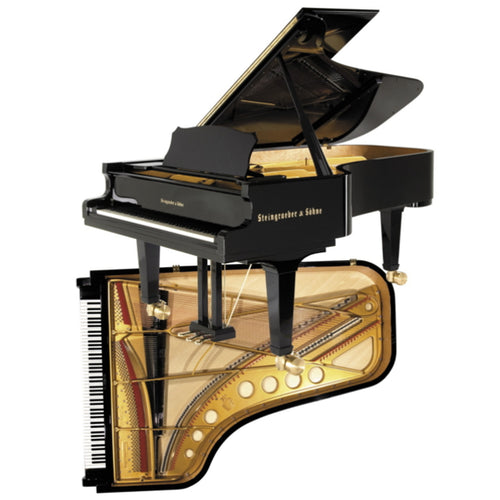
Concert Grand E

"Top of its class"

276 cm · 9'1"  ·  3 pedals + Sordino + Mozart-rail

Price on InquiryBy Request

The flagship 9-foot concert grand. Continuing refinement of a design dating back to 1895. Sound-reflecting rim, star-shaped half-timbered braces, and an "unbelievably enjoyable" action — in the words of pianist Cyprien Katsaris. The only manufacturer to have reduced the sounding surface of the treble soundboard, restoring the classical relationship to its short treble strings.

Heard at Berlin Philharmonie · Blaibach Concert Hall · Getty Hall San Francisco · Fairfield Halls London · National Theatre Quito

D-232

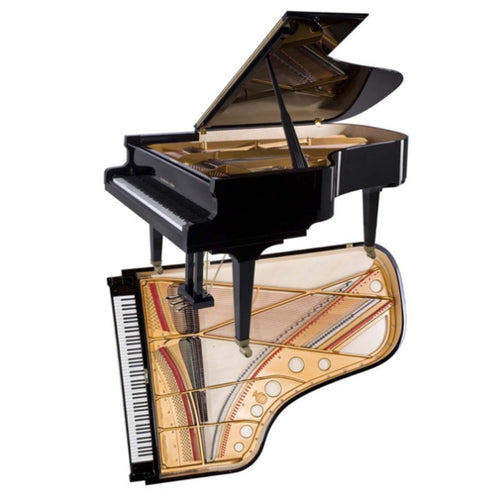
Semi-Concert Grand D-232

"The Resonant Wonder"

232 cm · 7'7"  ·  3 pedals

Price on InquiryBy Request

Brother of the Concert Grand E. Particularly suitable for both solo and chamber concerts in medium-sized auditoria. The capo d'astro extends to 46 notes beyond the centre of the keyboard — the widest range in its class. A wonderful singing tone, expansive capability for shaping each tone from pppp to ffff.

Heard at Utzon Grand Piano in Bagsværd Kirke · Music academies of Bangkok, Dresden, Essen, Karlsruhe, Munich · Royal Swedish Academy Stockholm · Pianist Kit Armstrong's concert church in northern France

C-212

Chamber Music Grand C-212

"The Renowned"

213 cm · 7'  ·  3 pedals

Price on InquiryBy Request

Descendant of the famous Model 200 "Liszt" grand, which Steingraeber delivered to the piano virtuoso himself in 1873. 140 years of fascination, retaining its unique chamber music appeal while adapting to the musical needs of the 21st century. Lieder pianists in particular are fascinated by its register-to-register balance.
Heard at Vienna University of Music · Conservatories of Dresden, Hanover, Helsinki, Lausanne, Lucerne, Munich · Wei He, Director of Tianjin Julliard School

B-192

Salon Grand B-192

"The Powerful"

192 cm · 6'3"  ·  3 pedals

Price on InquiryBy Request

Sibling of the Chamber Concert Grand C-212, unveiled in the Liszt anniversary year of 2011. So closely related that the actions of both models are identical. Long bass strings similar in scale to chamber concert pianos. Straight bass bridge gives the soundboard especially wide amplitude, and treble backstrings constructed using a triad sound principle ensure a particularly sonorous treble.

Heard at Gnessin Academy Moscow · Janáček Academy Brno · Bangkok, Hamburg, Lucerne universities · Künstlerhaus Munich · Archbishop's Palace Freising

A-170

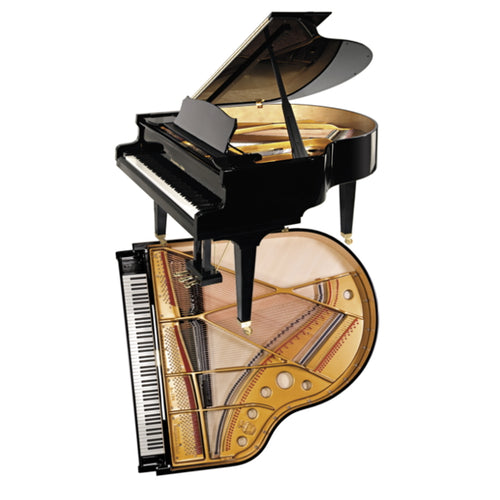
Salon Grand A-170

"The Surprise"

170 cm · 5'7"  ·  3 pedals

Price on InquiryBy Request

Roots dating back to 1905. "Best In Its Class" — Le Monde de la Musique. A piano whose sound is much bigger than its size suggests. The only premium salon grand whose sound vibrations are transferred directly, just as in larger grand pianos — incorporating a bridge that completely dispenses with the cantilever suspension bridge typical of smaller grands.

Heard at Oslo Opera House · Hamburg University of Music and Theatre · Folkwang University of the Arts in Essen

The Upright Pianos

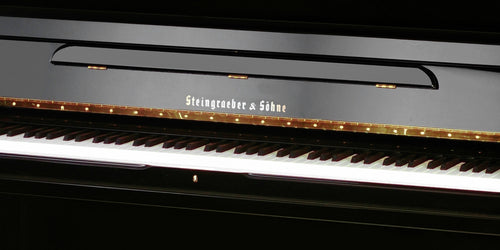
Three upright pianos. Steingraeber upright acoustics are physically equivalent to their grand pianos, from the baby grand to the salon grand. The only manufacturer offering a choice of different action mechanisms, even on uprights — including the "Steingraeber-Ferro-Magnet" (SFM) grand-piano-equivalent action.

138 K

Concert Upright 138 K

"The Outstanding"

138 cm · 54"  ·  2 pedals + Sostenuto option

Price on InquiryBy Request

The sound of this concert piano is equivalent to a 180cm-long salon grand, being singled out in Paris as the world's best: "Ce piano a été immédiatement identifié comme le plus riche, le plus infini en sonorités... un véritable instrument de concert." — Le Monde de la Musique, 1991. Available with the classic Steingraeber action or the grand-piano-like "Steingraeber-Ferro-Magnet" (SFM) action.

Heard at Recognized as "the world's best" — Le Monde de la Musique 1991

130 T

Profi-Piano 130 T

"The Popular"

130 cm · 51"  ·  3 pedals (Sostenuto)

Price on InquiryBy Request

The most successful piano to leave the Steingraeber manufactory in over 90 years. Made by professionals, for professionals. Mechanically on a par with industrially manufactured studio grand pianos, while delivering a considerably fuller sound. Two action options: "Pro Studio" (PS) for swift action, or "Steingraeber-Ferro-Magnet" (SFM) for grand-piano-equivalent repetition.

Heard at Rheinsberg Chamber Opera · Regensburg Municipal Theatre · Fairfield Halls London · Conservatories of Bremen, Leipzig, Lucerne, Paris

122 T

Piano 122 T

"The Classic"

122 cm · 48"  ·  2 pedals

Price on InquiryBy Request

A classic among house concert pianos. Owes its astonishing sonority to a unique design: a resonating secondary soundboard which acts as a "turbo," creating additional sound volume when played forte. Available in a special "Opera" model developed in collaboration with the Bayreuth Festival, with built-in LED lighting, perforated sound panels, and an integrated score desk.

Heard at Bayreuth Festspielhaus · Malmö Opera · La Scala Milan · Berlin Philharmonie · Leipzig Gewandhaus · Universities of Paris, Karlsruhe, Weimar · David Gray

Custom · Veneer · Special Models

Over a hundred design possibilities. Birdseye Maple, Ceylon Satinwood, Quilted Maple, Bog Oak, French Walnut Crotch, Rosewood, Plum Tree, Wenge, Amboyna, Yew Tree, Burl Walnut, Makassar Ebony — and any RAL colour, polyester polished or satin. Plus historical models: K-Classicism, C-Chippendale, B-Baroque, R-Renaissance, Liszt grand piano. Self-playing systems, pedal-systems for pianists in wheelchairs, the Utzon-Design Grand, alternative keyboards (mineral, mammoth-tusk). Every Steingraeber is configured to the player.

Email A Specialist Visit steingraeber.de

Three Categories. One Family.

Everything A Keyboardist Owns

01

Repertoire

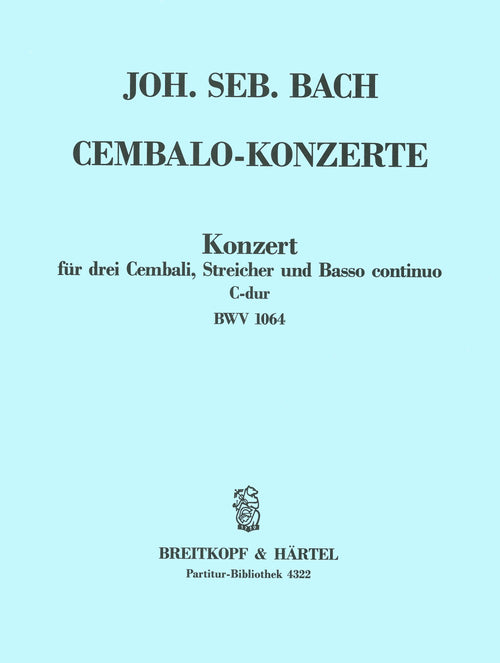
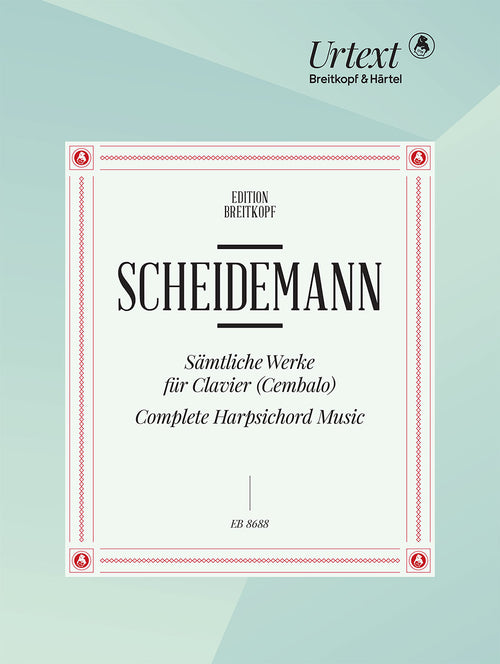
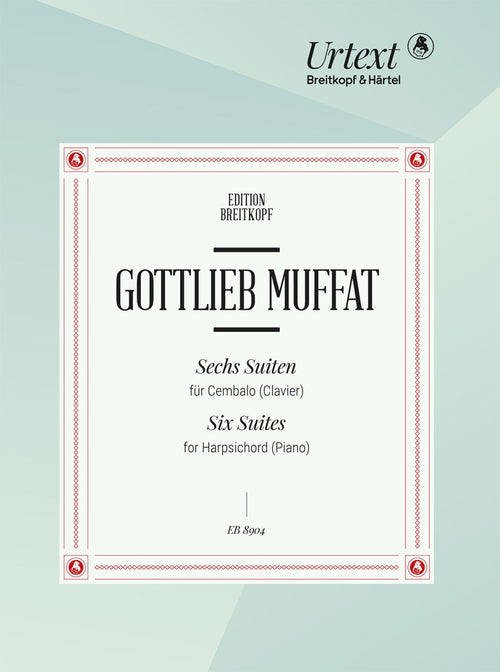
1,056 piano titles. 681 Bärenreiter piano urtext. 437 piano sheet music titles. 255 organ. 103 harpsichord. The complete keyboard library — Bach, Mozart, Beethoven, Chopin, Debussy, Bartók, Messiaen.

02

Method & Theory

Faber Piano Adventures, Bastien, Alfred, Royal Conservatory. The pedagogical library that takes a student from middle-C to a Beethoven sonata. Plus the Hanon, Czerny, Burgmüller technical literature.

03

Stand · Light · Tools

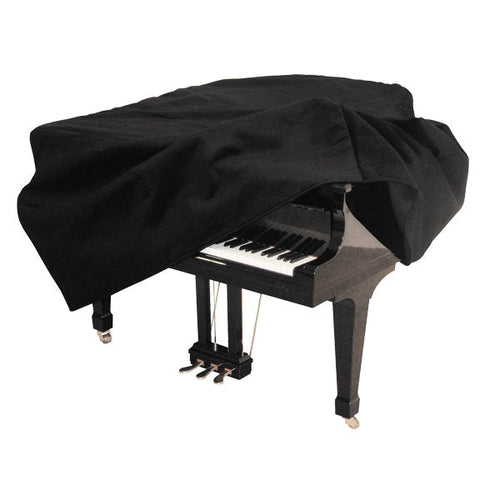
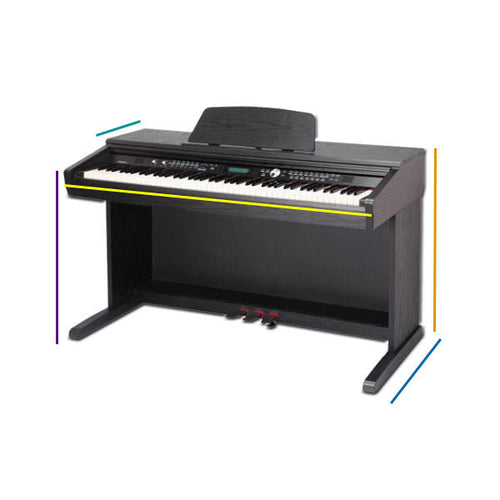
Music stands, music cases, stand lighting (Mighty Bright), tuners and metronomes (Soundbrenner), digital piano covers and benches. The practice-room essentials.

Featured Maker · Kassel, Germany

Bärenreiter

The urtext publisher. Piano editions taken straight from the composer's manuscript.

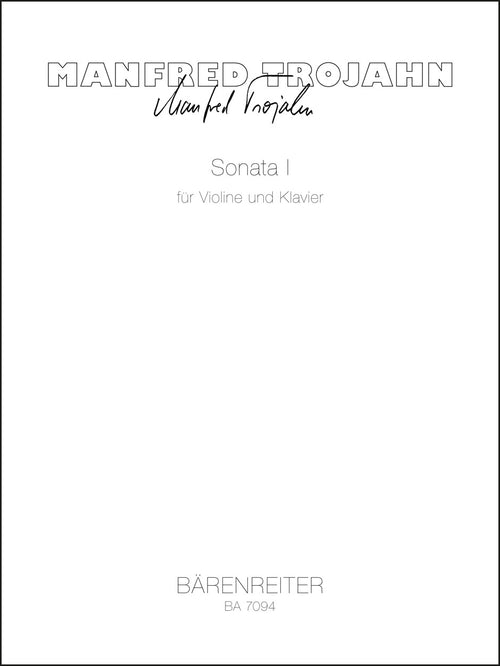
Bärenreiter has been publishing music since 1923 in Kassel, Germany. Their urtext editions — the Neue Bach-Ausgabe, the Mozart-Ausgabe, the urtext piano sonatas — are taken straight from the composer's manuscript, with editorial commentary separately marked. They are the conservatory standard for serious study worldwide.

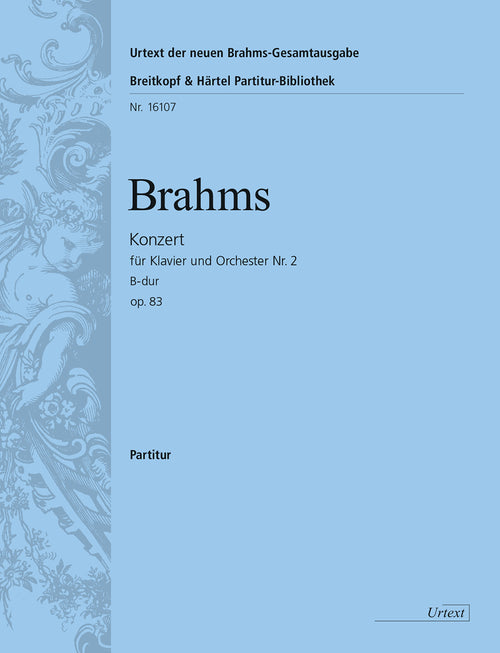
Their piano line includes 681 titles spanning the canonical solo piano repertoire — Bach Well-Tempered Clavier, Mozart Sonatas, Beethoven 32 Sonatas, Schubert, Schumann, Brahms, Chopin, Liszt — plus 19th-century composers, Russian composers, and the 20th-century repertoire.

For the serious pianist or student, a Bärenreiter edition is the safe scholarly choice. We carry their full piano line, plus their organ, voice-and-piano, and chamber music editions.

$388 Bärenreiter Piano — 681 urtext editions of the canonical repertoire
Browse Bärenreiter
Featured Maker · Multi-Publisher

Piano Music

The full piano library — Breitkopf, Bärenreiter, Henle, Schott, Peters.

The "Piano Music" master collection holds 1,056 titles — the broadest piano-music inventory we carry. Multiple publishers contribute: Breitkopf & Härtel (the oldest music publisher in continuous existence, since 1719), Henle (Bavarian urtext), Peters Urtext (Leipzig), Schott Music, plus the Russian publishers (Sikorski, Schott Russia) for 20th-century repertoire.

The collection covers everything from method books for beginners to chamber piano parts to the complete Beethoven sonatas to Boulez's notations. Pricing spans $5 single-piece scores to $400+ collected-works folios.

For the working pianist, this is the master inventory. For specific composers, drill into our composer-specific collections (we carry Mozart, Wolfgang Amadeus with 2,525 piano-related titles alone).

$108 1,056 titles spanning Bach Well-Tempered, Beethoven Sonatas, Chopin, Debussy, Bartók
Browse Piano Music
Featured Maker · Kassel, Germany

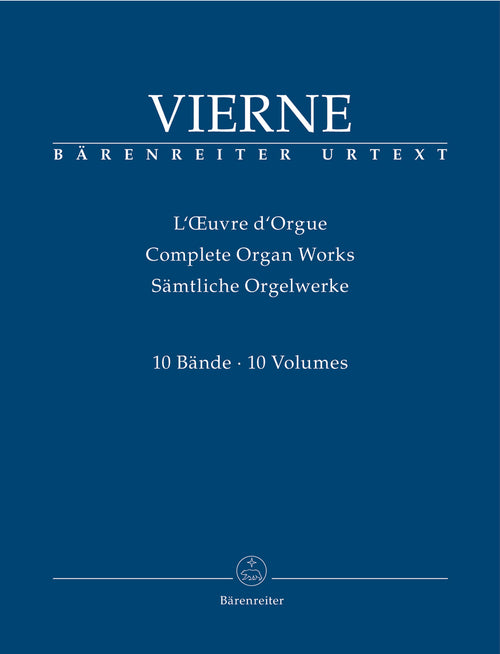
Bärenreiter Organ

The organ urtext line. From Bach's 800-bar fugues to the modern German liturgical repertoire.

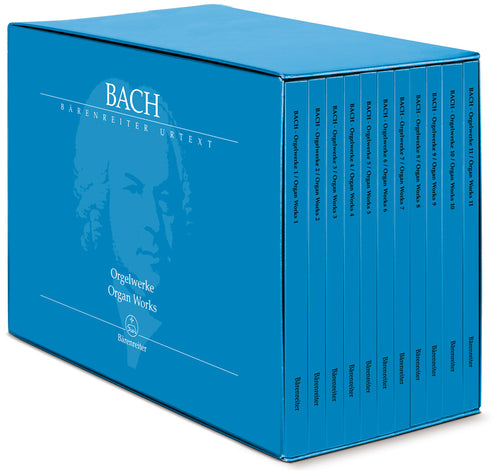
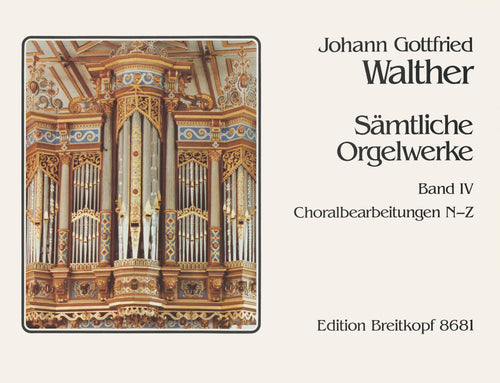
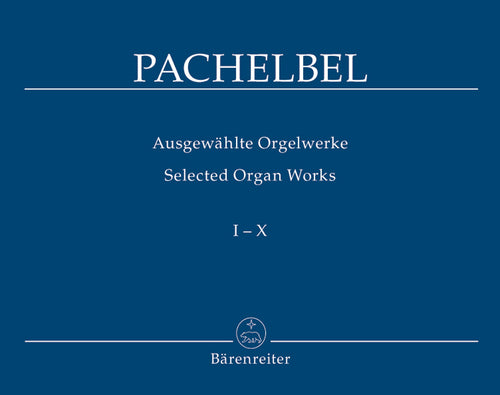
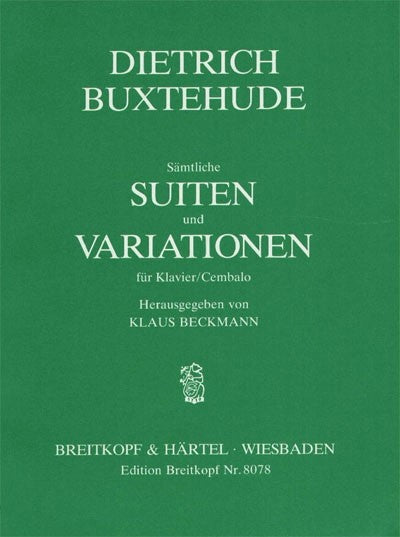
Bärenreiter's organ line — 239 urtext editions — covers the German organ tradition from Buxtehude and Bach through Reger, Distler, and the modern German Lutheran liturgical tradition. The Bach Orgelbüchlein, the Trio Sonatas, the Toccata and Fugue, the Orgelmesse — all in scholarly editions.

For the serious organist, the German urtext line is essential. Bärenreiter editions include performance practice notes, registration suggestions, and the historical context every organist needs.

We carry the full Bärenreiter organ library, plus their related organ-and-voice (sacred music) and organ-and-orchestra editions.

$388 239 organ urtext editions — Bach, Buxtehude, Reger, the German tradition
Browse Bärenreiter Organ
Featured Maker · Multi-Publisher

Organ Repertoire

255 titles — French Romantic, Anglican choral, Lutheran chorale, Iberian baroque.

The "Organ Music" master collection holds 255 titles — the broader-than-Bärenreiter inventory of organ literature. French Romantic (Vierne, Widor, Tournemire, Messiaen). English Anglican choral (Howells, Stanford, Parry). Iberian baroque (Cabezón, Cabanilles). The American hymn tradition.

For the church organist, the recital organist, and the doctoral student, this is the collection that goes beyond the German urtext core. Vierne's Six Organ Symphonies, Widor's Toccata, Messiaen's La Nativité du Seigneur — all in performance-quality editions.

We carry the full Multi-Publisher organ library — Bärenreiter, Breitkopf, Peters, Novello, Schott, the French publishers (Leduc, Editions Choudens), and the smaller specialist organ-music publishers.

$108 Vierne, Widor, Messiaen, Howells, Bach Orgelbüchlein
Browse Organ Repertoire
Featured Maker · Bayreuth, Germany

All Steingraeber & Söhne Pianos

One of fewer than ten manufacturers worldwide capable of crafting a true singing piano. Hand-built in Bayreuth, Germany, since 1852. Five concert grands and three uprights — by inquiry only.

View All 8 Steingraeber Pianos
Bärenreiter · Piano

All Bärenreiter Piano Editions

Urtext editions of the complete piano repertoire — Bach, Beethoven, Schubert, Schumann, Brahms, Debussy, Bartók. The scholarly editions used by conservatory teachers and performing pianists worldwide.

Browse Bärenreiter Piano
Bärenreiter · Organ

All Bärenreiter Organ Editions

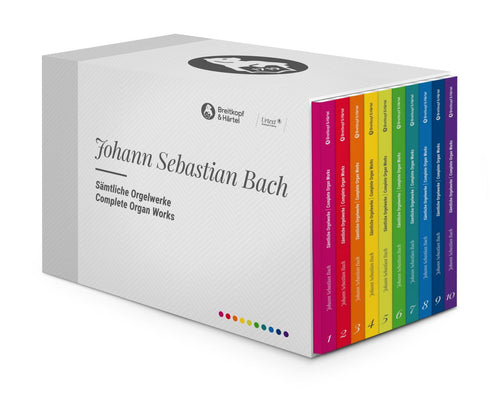
Bach's complete organ works in critical Urtext editions. Plus the French Romantic and English chorale repertoire. The scholarly choice for the conservatory organist and church musician.

Browse Bärenreiter Organ

Every Voice In The Family

Browse By Discipline

Five disciplines, every tier. The piano repertoire is broad enough to fill a lifetime. The organ literature is its own world. The harpsichord and celesta serve the early-music and orchestral ensembles. Voice-and-piano is the accompanist's home.

1,056+ in stock

Bach to Boulez · Beginner to Pro

Piano

The complete piano library — 1,056 titles spanning Bach Well-Tempered Clavier, Beethoven Sonatas, Chopin Etudes, Debussy Preludes, Bartók Mikrokosmos, and contemporary repertoire. Bärenreiter, Breitkopf, Henle, Peters, Schott, and the Russian publishers.

Browse Piano
681 urtext in stock

Urtext · Conservatory Standard

Bärenreiter Piano

The urtext piano line. Bärenreiter editions are taken straight from the composer's manuscript — every dynamic, every articulation, every phrasing mark exactly as the composer wrote it. The conservatory standard worldwide.

Browse Bärenreiter Piano
255+ in stock

Liturgical · Concert · Pedagogical

Organ

The full organ literature — Bach Orgelbüchlein, Buxtehude, Reger, Vierne Symphonies, Widor Toccatas, Messiaen, Howells, the English Anglican choral tradition, the German Lutheran chorale.

Browse Organ
103+ in stock

Period Instrument · Baroque

Harpsichord

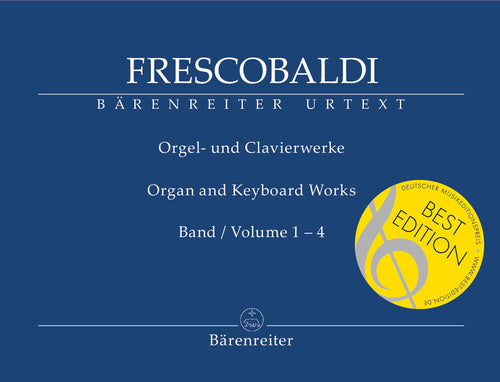
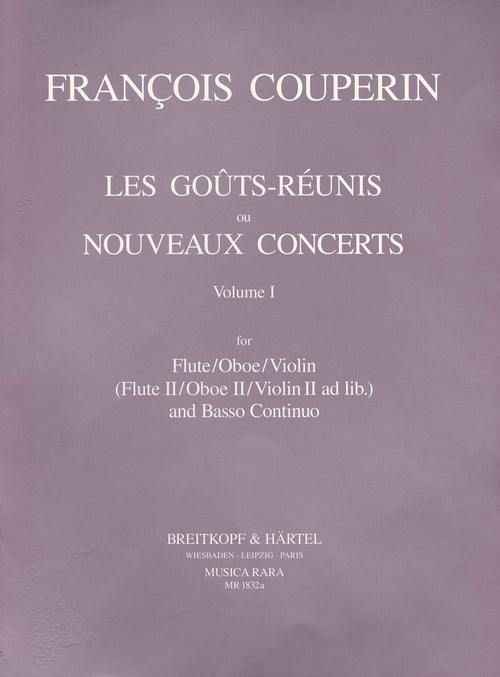
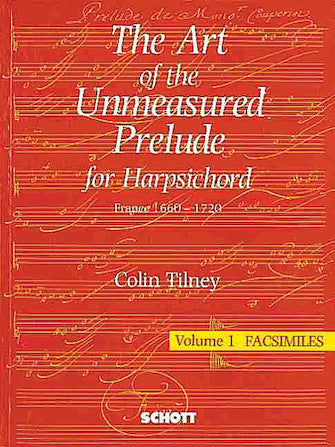
Bach Well-Tempered Clavier, French Overture, Italian Concerto. Couperin Pièces. Scarlatti 555 Sonatas. Rameau, Frescobaldi, Buxtehude. The harpsichord and clavichord tradition.

Browse Harpsichord
19+ in stock

Lieder · Songs · Accompaniment

Voice & Piano

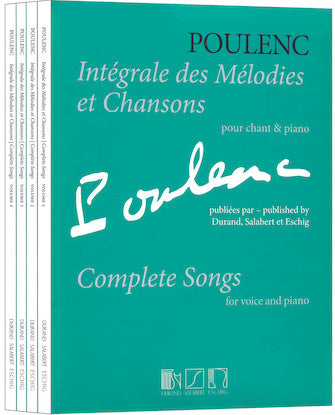
Schubert, Schumann, Brahms, Wolf, Strauss — the German Lied. Fauré, Duparc, Debussy, Poulenc — French mélodie. Britten, Barber, Copland — English-language song.

Browse Voice & Piano

The Library

Repertoire & Editions

Urtext, working editions, performance editions, study scores. Bärenreiter, Breitkopf, Henle, Peters, Schott. The sheet music library every serious keyboardist builds — and we carry the brands the conservatories teach from.

The Chamber Library

Cross-Instrument Music

The keyboardist as accompanist or chamber partner — the literature that pairs piano with every other instrument. Beethoven cello sonatas, Brahms violin sonatas, Schumann clarinet trio, the full Lieder accompaniment library.

The Practice Room

Stand · Light · Tools

A music stand. A page-turning light. A tuner that doesn't go flat. The practice-room infrastructure every working keyboardist takes seriously. Mighty Bright stand lights, Soundbrenner wearable metronomes, music cases that actually fit a Beethoven sonata.

Stage & Studio

Microphones · Stands · Tuners · Lighting

The professional infrastructure around the instrument. DPA Microphones for orchestral live amplification. Earthworks for premium recording. Apogee for the USB studio interface. Konig & Meyer for the stands the entire industry standardizes on. Mighty Bright for stand lighting. Soundbrenner for the wearable metronome.

Featured Microphones

All Microphones

Featured K&M Stands

All K&M

Tiered For Every Stage

Beginner. Conservatory. The Right Edition For Right Now.

A six-year-old starting Faber Piano Adventures and a Conservatory finalist preparing the Hammerklavier need different libraries. We carry both ends — and the long middle.

Beginner

Method books and approachable repertoire

Conservatory & Pro

Urtext editions and full repertoire

Hand-Picked

Editor's Choice

The editions we'd buy ourselves if we were building a library today.

The Whole Roster · 25 Brands

All Keyboard Publishers & Accessory Makers

Every maker we carry — instrument builders, reed cutters, mouthpiece houses, case makers, accessory specialists. Tap any name to read their story and shop their line.

Frequently Asked

Questions Worth Answering

Urtext editions (Bärenreiter, Henle, Peters Urtext) are scholarly editions that present the music as the composer wrote it — without editorial fingerings, dynamics added by an editor, or interpretive markings. They are the conservatory standard for serious study. Interpretive editions (Schirmer Library, older Peters editions) include editorial additions and can be useful for beginners or specific pedagogical contexts. For 95% of conservatory and serious-study purposes, urtext is the right choice.
Faber Piano Adventures (the "Faber & Faber" series) is widely regarded as the most musical and engaging method for young beginners. Bastien is a classical alternative emphasizing reading. Alfred's All-In-One is the budget-friendly choice for older beginners and adults. Royal Conservatory of Music (RCM) and ABRSM publish graded repertoire books that pair well with any method. Talk to a pedagogue before committing.
For Bach, Bärenreiter is the gold standard — they publish the Neue Bach-Ausgabe (the New Bach Edition), the most scholarly version available. Henle is excellent and slightly more affordable; their fingering suggestions (by major pianists) are particularly useful. Peters Urtext is older but reliable. For Well-Tempered Clavier specifically, Bärenreiter or Henle.
Acoustic upright pianos start around used, new. They require tuning ($150-200) twice a year, but with proper care last 50+ years. Digital pianos at the - tier (Yamaha Clavinova, Roland LX, Kawai CA) approximate acoustic feel and never need tuning, but the touch and tone develop differently from acoustic over years of practice. Most teachers recommend acoustic for serious study, digital for apartment or shared-space situations.
Twice a year minimum — typically October and April, when seasonal humidity changes. New pianos and pianos that have been moved need 4 tunings in the first year. A piano that goes a year between tunings is undergoing pitch drift; the longer it sits flat, the more strings it may break during the next tuning. Find a registered piano technician (RPT) — the certification matters.
A piano reduction is an orchestral, opera, or oratorio score reduced for piano accompaniment — used for soloists rehearsing concertos, opera coaches working with singers, or chamber groups practicing without the full ensemble. Bärenreiter and Breitkopf both publish reductions. Look at the publisher and editor — a good reduction is playable; a bad one is essentially a study score with chords stacked too high.
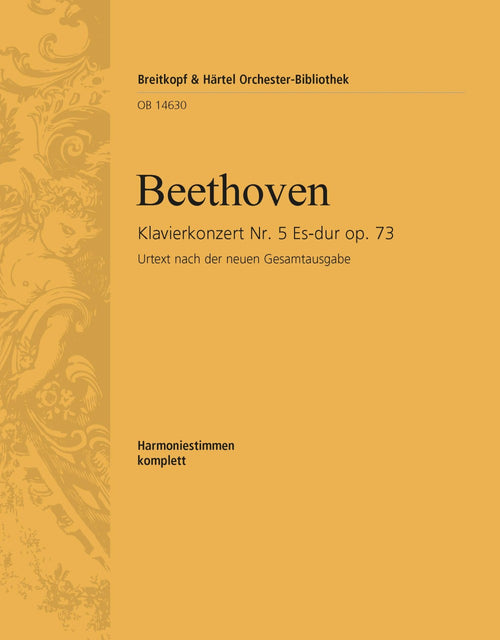
Yes — Bach's organ works (Toccata and Fugue in D minor, the Trio Sonatas, the Orgelbüchlein) are routinely performed on piano transcribed by Busoni, Liszt, or others. The Bärenreiter Bach organ editions are essential references even for pianists. The Liszt B-A-C-H Fantasia and Fugue and Reger's organ works are similarly transcribed and studied.
Bound editions in folio binders or boxes, kept out of direct sunlight, in a low-humidity environment. Flat storage is ideal; standing on edge is acceptable. Avoid stacking heavy books on thin scores — the spines crack. For frequently-used pieces, get a working copy and a "library" copy. Mark fingerings and articulation in pencil only — never pen.

Personal Service

Need help choosing? Talk to a specialist.

Every edition we ship has been hand-vetted by working musicians. If you're deciding between Bärenreiter and Henle for the Beethoven sonatas, or weighing a Faber method against a Bastien for a young student, or assembling a recital program that needs the right urtext — we'll help you choose.

Stay In Tune

Get Our New-Edition & New-Arrivals Letter

Once a week. New stock, fresh setups, and the occasional setup tip from the workshop. No noise.

The Keyboard Club

Build Your Library.

A piano sits in the practice room. A score sits on the music stand. The score is the bridge between the composer and the player — and the right edition is the difference between guessing what the composer meant and knowing it. Build the library that takes you from the first lesson to the last recital.